Bulgaria's E-Bike Industry: A Strategic Micro-Hub in the European Grid
The global transition to micro-mobility has positioned Bulgaria as one of Europe's leading manufacturing hubs for both traditional and electric bicycles. Over the last decade, Bulgaria has integrated deeply into the European Union's supply chains, acting as a gateway between production technologies in East Asia and core consumer markets in Western Europe. Leveraging low-cost operating structures, skilled labor, and strategic industrial clusters such as Plovdiv and Sofia, local e-bike assembly plants have formed partnerships with global parts manufacturers.
Currently, the European Union enforces anti-dumping and countervailing duties on imported finished electric bicycles originating from mainland China. This regulatory framework has shifted the commercial model from finished-product importing to sophisticated local assembly (SKD/CKD) and global supply chain partnerships. Bulgaria's geographical advantages—situated right on the Black Sea coast and borders with Greece and Turkey—allow for seamless transportation of key frame designs, battery assemblies, and electric motors directly to European distribution centers duty-free upon final assembly.
Industrial Insight: According to EU regulatory statistics, Bulgaria ranks in the top five European bicycle exporters. This status is fueled by investments in domestic production lines that meet the strict requirements of EN 15194—the EU standard defining safety requirements for Electronically Power Assisted Cycles (EPAC).
Global and European B2B E-Bike Market Landscape
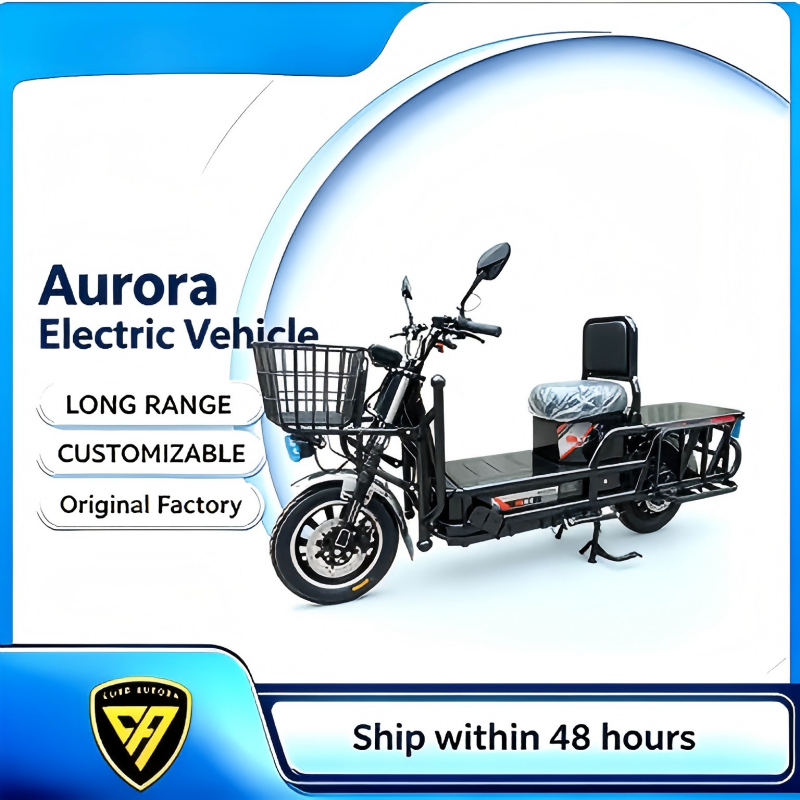
The global electric bicycle market size is projected to expand significantly, driven by urban congestion, high fuel costs, and environmental initiatives. In Europe, the demand for cargo e-bikes and urban commuters has soared. Delivery logistics providers (such as Glovo and Takeaway operating across Bulgarian cities like Varna, Plovdiv, and Sofia) are rapidly phasing out combustion engines in favor of electric cargo platforms.
To capitalize on this transition, European B2B buyers require suppliers who can balance technical specifications with cost. While local European assembly guarantees compliance and reduces tariff barriers, partnership with advanced Chinese supply chains remains the backbone of cost reduction, raw material consistency, and rapid iteration of motor and battery management technologies.