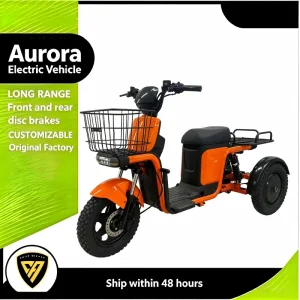
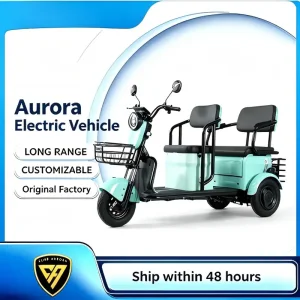
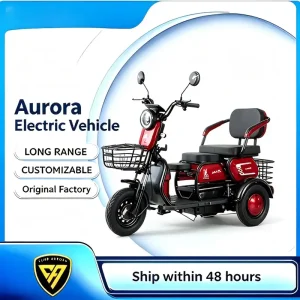
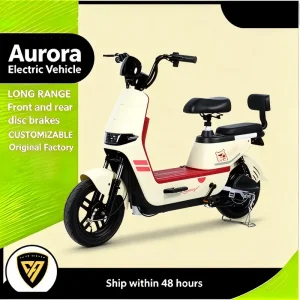
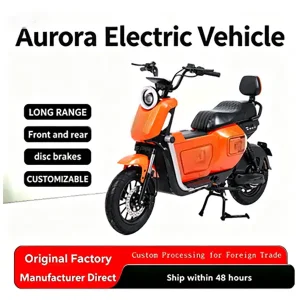
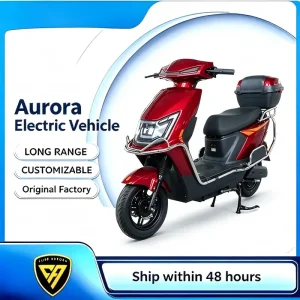
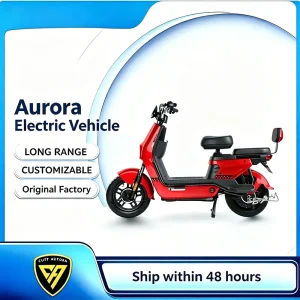
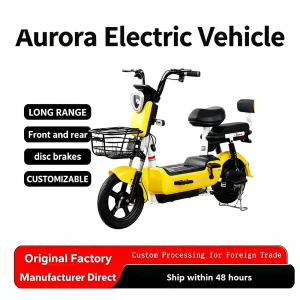
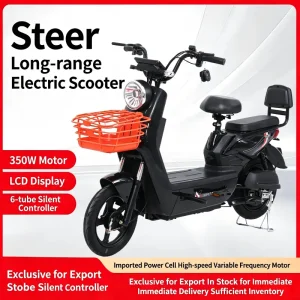
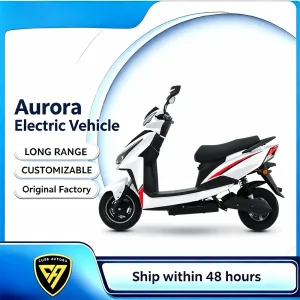
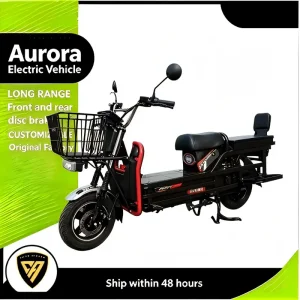
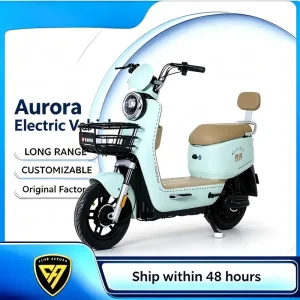
The city of Sydney and the broader New South Wales (NSW) region are undergoing a profound paradigm shift in urban transportation. Historically reliant on traditional vehicular traffic and heavy rail, the Greater Sydney Area—encompassing dense hubs like the Sydney CBD, Parramatta, and the rapidly growing Western Sydney corridor—is actively transitioning toward decentralized, zero-emission micromobility networks. Driven by the NSW Government’s commitment to net-zero emissions and the integration of cycling infrastructure projects like the Sydney City Council's Cycleway network, electric bicycles and electric tricycles are no longer just recreational options; they are core infrastructure elements.
From Surry Hills to the steep terrains of the Eastern Suburbs, Sydney's geographical topology demands high-torque, robust motor configurations and intelligent power management. In this urban landscape, e-mobility has emerged as the most efficient mechanism to combat traffic congestion, high fuel costs, and park space shortages. For B2B buyers, fleet operators, municipal logistics directors, and commercial distributors, sourcing high-durability electric vehicles built to handle Sydney’s unique climatic and operational standards is critical to securing long-term operational success.
While standard two-wheel e-bikes dominate the passenger commuter market, electric tricycles (e-trikes) are experiencing a surge in demand across Sydney's commercial, industrial, and municipal sectors. As density rises in Sydney’s core, delivery trucks face severe loading zone restrictions and parking fines. This has paved the way for industrial heavy-load three-wheel electric utility vehicles to manage the "last-mile" delivery process. These heavy cargo platforms operate seamlessly within bike lanes and shared pathways, bypassing urban traffic blockages.
E-commerce delivery networks, postal services, and food logistics operators in Sydney are deploying high-load electric tricycles equipped with secure, weather-proof cargo boxes. These units offer the payload capacity of a small utility vehicle without the registration overhead, licensing restrictions, or carbon footprint.
With an aging population in suburbs like Mosman, Double Bay, and Castle Hill, three-wheel leisure tricycles provide safe, stable, and low-impact transport for seniors. These vehicles offer enhanced balance, comfortable low-step entries, and reliable safety configurations, allowing older residents to retain their local mobility independence.
Sydney's parks, university campuses (such as USYD and UNSW), and manufacturing zones utilize heavy-duty electric utility vehicles for eco-friendly maintenance, waste management, and cargo moving. This limits operational noise and aligns with corporate ESG (Environmental, Social, and Governance) targets.
Founded in 2015, Aurora Electric Vehicle Shandong Co., Ltd. is a high-end electric bicycle manufacturing enterprise situated in Linyi City, Shandong Province. As a strategic transportation hub connecting the Yangtze River Delta and the Bohai Economic Circle, Linyi provides us with access to China's premier steel, electrical component, and aluminum supply chains. Over more than 10 years of development, we have expanded from a targeted production workshop to a comprehensive industrial enterprise integrating independent R&D, advanced manufacturing, international sales, and dedicated after-sales services.
In 2019, as China's new national standard for electric bicycles took effect, Aurora EV restructured its production facilities. We invested heavily in automated precision lines, flame-retardant material processing, and advanced anti-tampering electronics. By standardizing the production of our high-grade frames, motors, and battery management systems (BMS), we ensure that every unit exported to international markets like Sydney matches local quality and legal requirements.
| Parameter Class | Technical Specifications | Compliance & Performance Standards |
|---|---|---|
| Motor System | Brushless Hub Motors / Mid-drive Systems (250W - 1000W) | Sydney Commute Legal 250W options + Heavy Cargo Off-road motors |
| Battery Configuration | Lithium Iron Phosphate (LiFePO4) & High-Density Ternary Lithium | Integrated Smart BMS, overcharge and thermal runaway protection |
| Chassis & Frame | Reinforced High-Carbon Steel / Lightweight 6061 Aluminum | Load capacity up to 180kg (Utility vehicles), anti-corrosive coating |
| Braking System | Dual Front/Rear Disc Brakes & Regenerative Electronic Braking | Optimized for Sydney's steep topography and wet road safety |
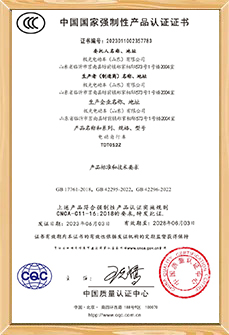
| Certifications | CCC, CE, FCC, EN15194, ISO9001 | Direct customs clear for Australian and European union logistics |
Sourcing directly from our Shandong production base provides Sydney importers with a clear competitive edge:
As the Australian regulatory landscape catches up with European micromobility standards, importing certified, high-standard vehicles is key to mitigating compliance risks. The EN 15194 standard remains the benchmark for pedal-assist electric bikes (Pedelecs) in Australia. Partnering with a manufacturer like Aurora EV, which understands these regulatory details, ensures your imports clear customs smoothly and avoid local liability issues.
Additionally, the rising focus on battery safety in Australia—sparked by concerns over low-quality lithium-ion cells—highlights the importance of our smart Battery Management System (BMS). Our BMS protects against overcharging, over-discharging, and overheating, offering peace of mind to retail consumers and fleet managers alike.
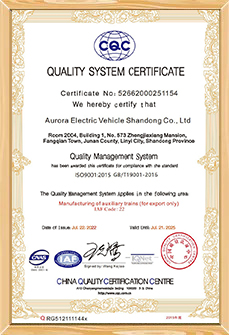
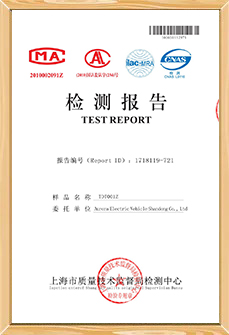
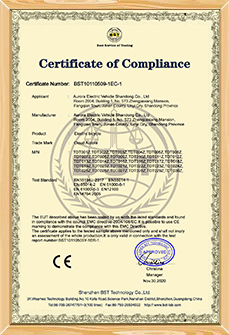
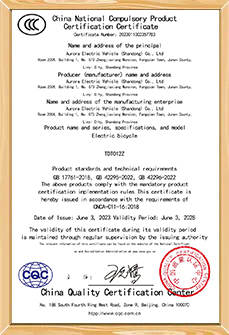
Our operation is driven by three core teams: our innovative R&D Team, who continuously optimize battery integration, chassis geometry, and electrical efficiency; our meticulous Production Team, who monitor weld quality, assembly precision, and functional testing; and our customer-focused Sales & Service Team, who provide end-to-end support for custom requirements, import paperwork, and technical updates.
We believe in "making green travel easier and safer for everyone." Integrating Shandong's rich history of craftsmanship with modern e-mobility technology, we aim to provide reliable, low-carbon solutions that meet the transport needs of modern cities.
Yes. For public road use in Sydney and NSW, we offer specialized configurations that conform strictly to the EN 15194 standard (maximum 250W continuous power, pedal-assist only, speed limited to 25km/h). For private land, cargo facilities, and industrial warehouses, we supply higher-wattage models up to 1000W+ based on client needs.
Our standard MOQ for wholesale importing starts with a 20-foot container (approximately 30 to 50 units depending on vehicle dimensions). We also support mixed-product container orders, allowing buyers to combine standard e-bikes, delivery cargo bikes, and passenger e-tricycles.
We pack our vehicles in reinforced, 5-layer imported kraft cartons, supported by custom-molded EPS foam inserts. Key components like handlebars, display consoles, and battery terminals are wrapped in high-density bubble protective layers to prevent movement and damage during shipping.
Our OEM services include custom frame colors, graphic designs, logo placement, battery upgrades, cargo box dimensions, integrated GPS tracking systems, and specialty tires, allowing you to tailor the vehicles to your brand identity.