Engineered for alpine slopes, strict Swiss road safety criteria (ASTRA/FEDRO requirements), and extreme weather reliability.

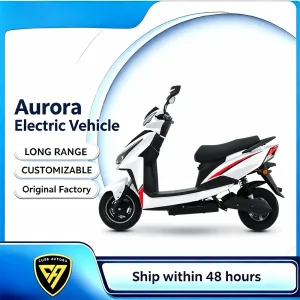
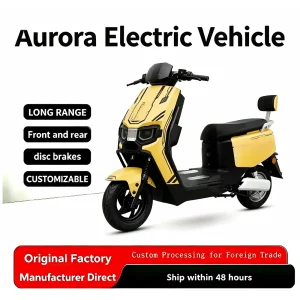
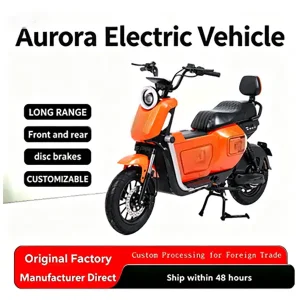
Navigating geography, federal regulations, and aggressive decarbonization goals.
Switzerland presents a demanding geographical profile. From the steep paths of the Bernese Oberland to the continuous inclines of Lausanne, electric mopeds must offer sustained high torque outputs. Standard urban commuter solutions fail on 15% gradients due to thermal throttling. Our Swiss line integrates brushless hub motors with custom torque configurations that maintain thermal equilibrium under long, uphill loads.
Swiss Federal Roads Office (ASTRA/FEDRO) enforces distinct sub-categories for electric two-wheelers. Fast e-bikes/mopeds (up to 45 km/h) require a yellow license plate and category M/AM driving permits, while light motorbikes (up to 25 km/h, max 500W motor) bypass these demands. Compliance demands strict type approvals, specific mirror mounts, side-stand safety switches, and CH-standard charging compatibility.
ASTRA & FEDRO Compliant
Alpine Winter Battery Ready
Climbing Gradient Capacity
Manufacturing Heritage
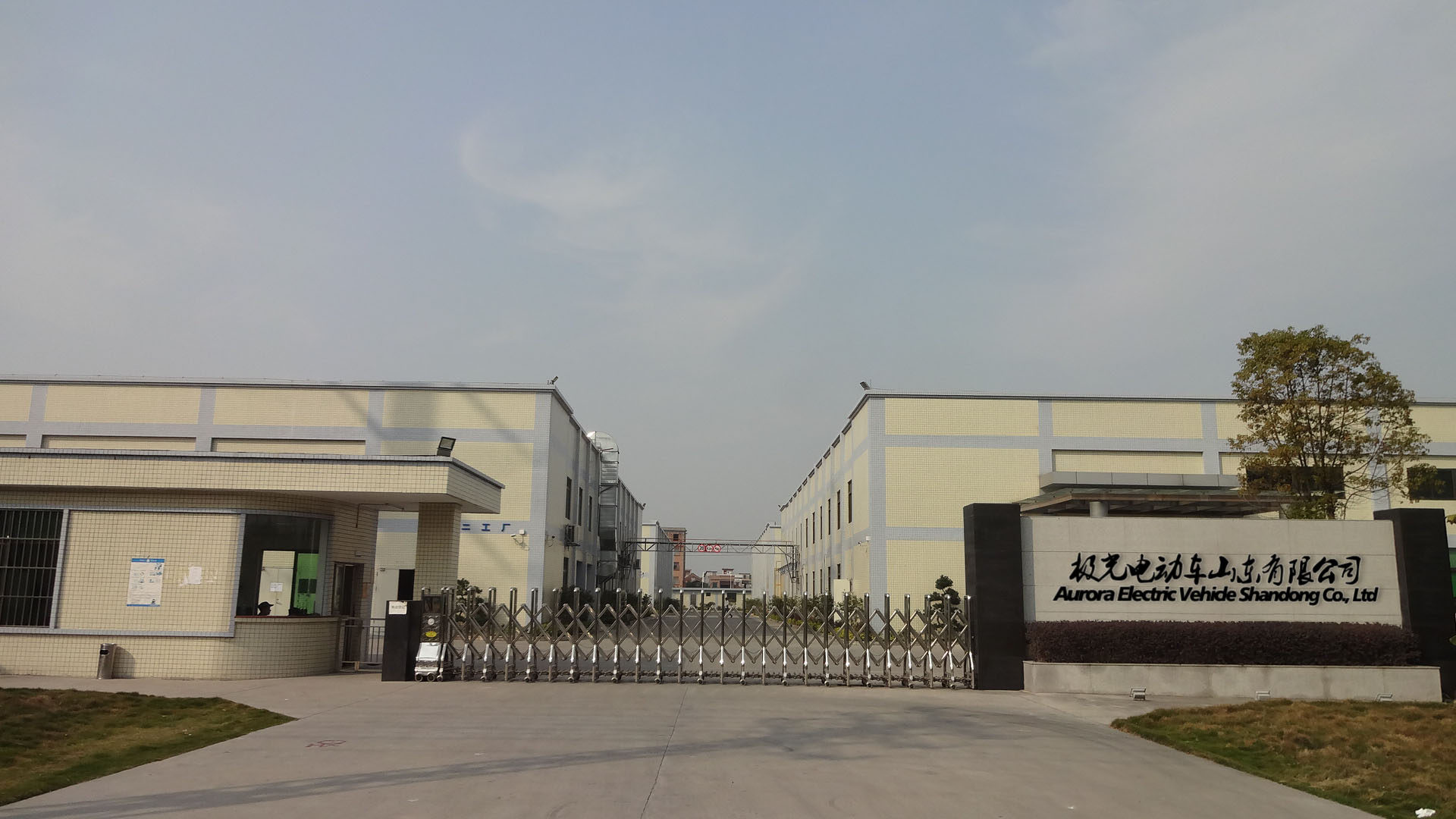
Founded in 2015, Aurora Electric Vehicle Shandong Co., Ltd. has grown from a high-precision manufacturing workshop into a globally recognized leader in electric two-wheel technology. Situated in Linyi City, Shandong Province, our facilities benefit from a direct transportation nexus connecting the Yangtze River Delta and the Bohai Economic Circle. For over a decade, we have pioneered changes under strict national and international standard shifts (including the European CE and Swiss Type Approval frameworks).
Established localized operations in Linyi City, targeting core component R&D and proprietary frame structural engineering.
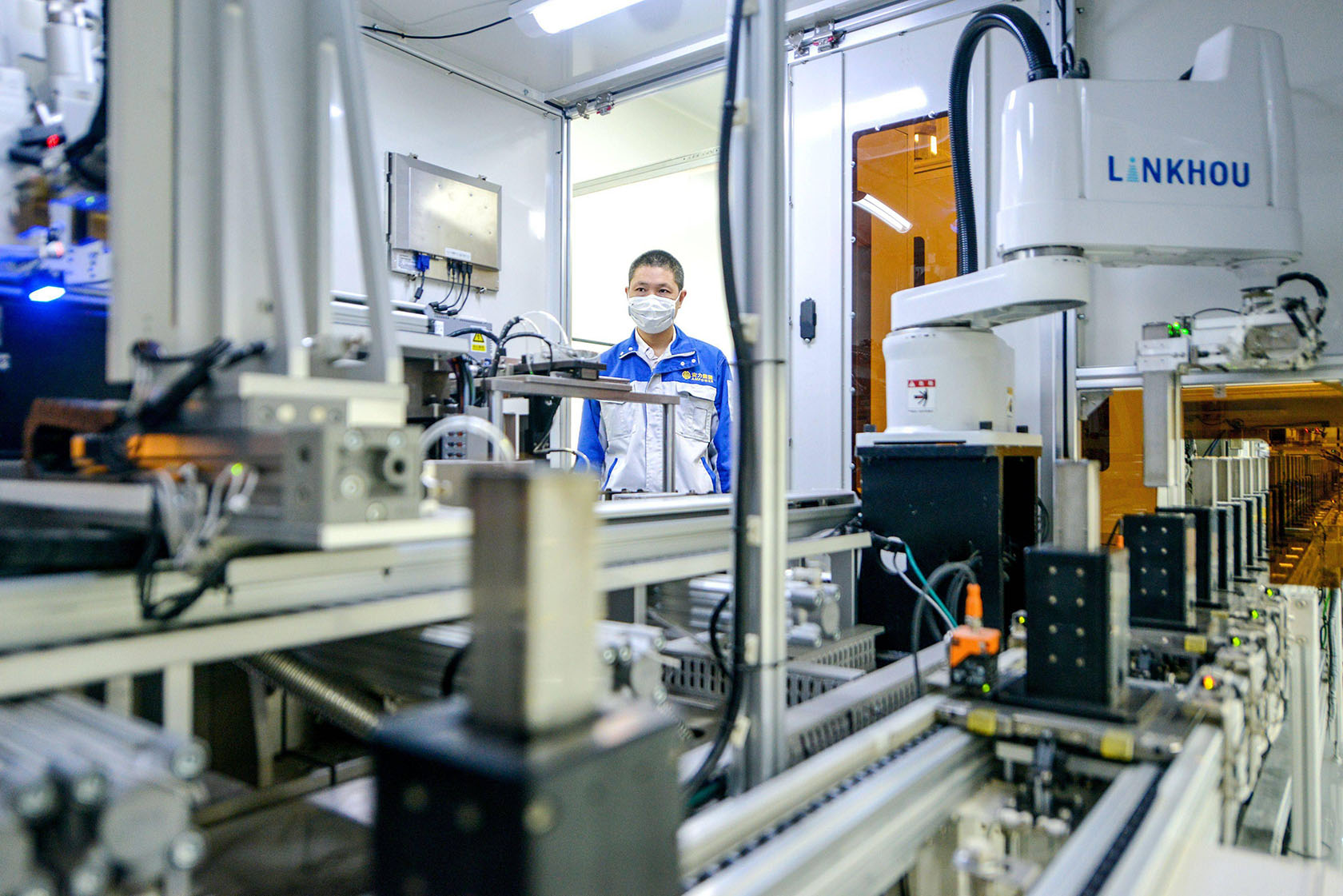
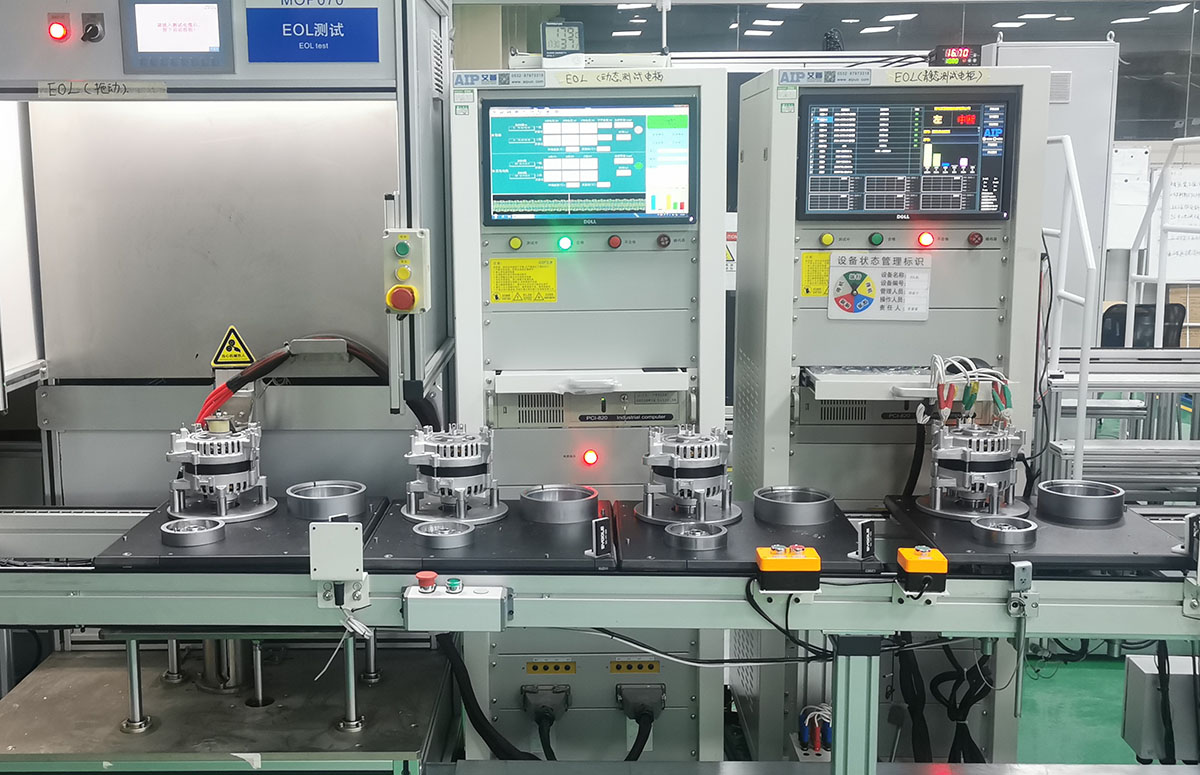
Invested heavily in automated assembly lines and digital testing equipment to strictly comply with CE, ASTRA, and global safety protocols.
Achieving mass export capability, serving municipal mobility systems, postal distribution networks, and premium rental operations globally.
How we optimize electric propulsion, battery heating, and structural chassis for Switzerland.
Under cold alpine winters (reaching -10°C to -20°C in valleys), lithium-ion batteries suffer rapid voltage drops. Our custom battery management systems (BMS) integrate temperature sensors that auto-regulate charging curves and feature optional thermal heating jackets to prevent dendritic lithium plating during charging, maintaining a stable discharge current and protecting battery lifespan.
Descent control down passes like the Simplon or Grimsel requires safe braking power. We integrate heavy-duty, dual-piston hydraulic disc brakes on front and rear tires, coupled with electromagnetic regenerative braking. This dual-action system captures kinetic energy while preventing thermal brake fade over prolonged declines.
Our frames utilize robotically welded high-carbon steel and aircraft-grade aluminum alloy. These materials undergo strict vibration fatigue testing to withstand road grit, salt corrosion, and uneven cobblestone paths characteristic of historic Swiss town centers like Zurich Altstadt or Bern.
Custom configurations built for the commercial and recreational demands of the Swiss market.
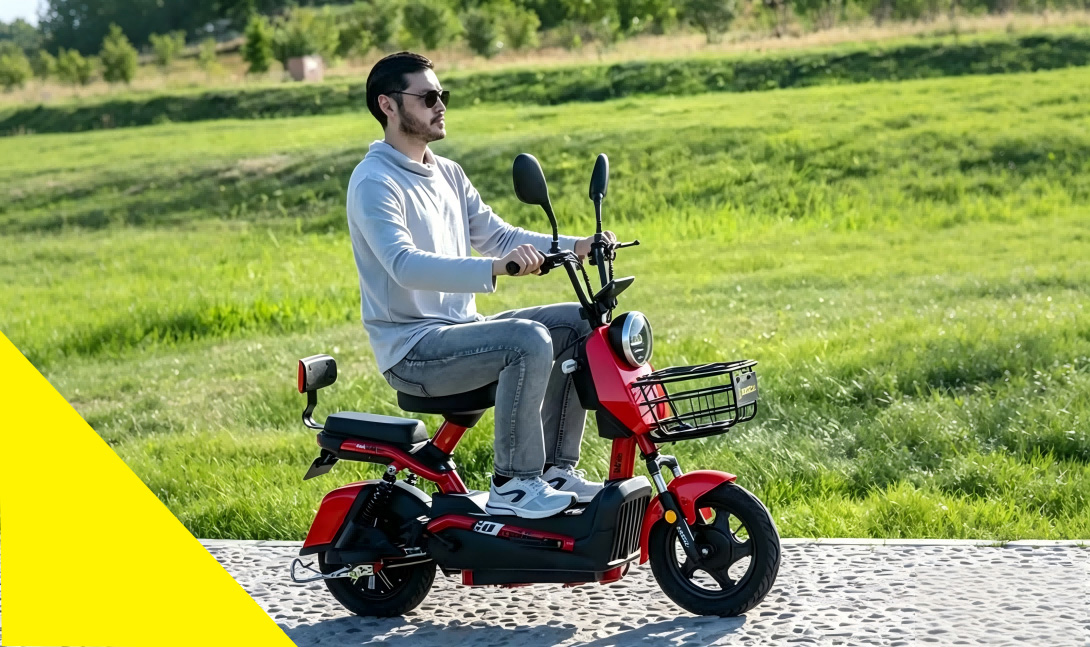
Designed for multi-modal transit networks. These models offer quick foldability, lightweight frames, and low center of gravity to navigate dense urban traffic, allowing easy connection with S-Bahn networks.
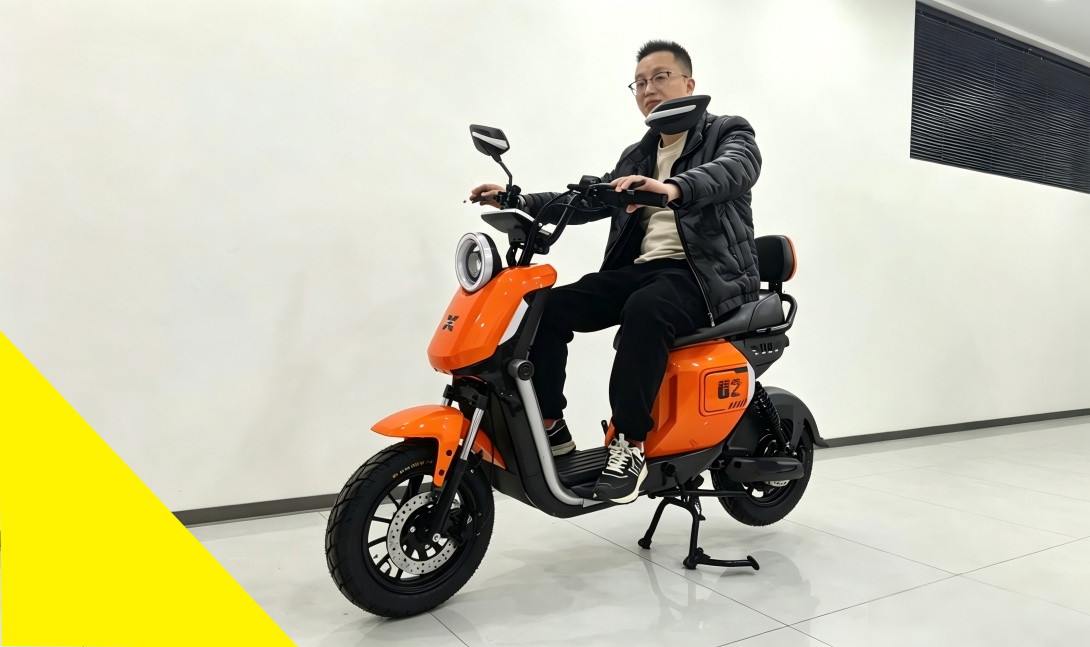
Ideal for car-free destinations like Zermatt, Saas-Fee, or Wengen. These electric mopeds offer quiet operation and zero tailpipe emissions, helping preserve fragile alpine ecosystems while providing tourists with reliable uphill transport.
Equipped with reinforced rear sub-frames, dual high-capacity batteries, and heavy-duty front baskets. Perfect for Swiss postal and delivery operators navigating steep, narrow mountain streets.
Our quality control is verified by major international safety bodies.
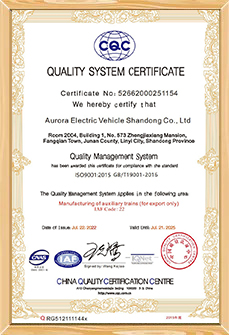
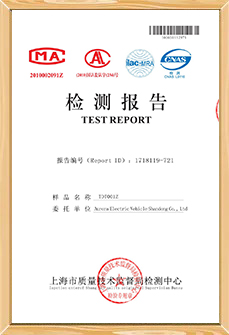
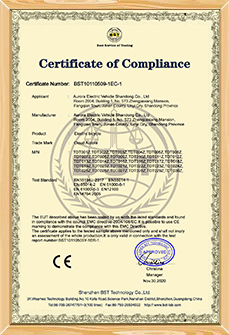
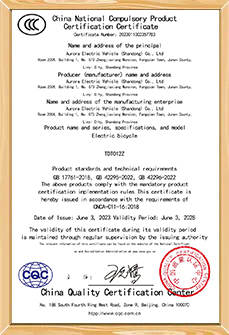
Extended electric mobility configurations tailored to specific distribution, sport, and commuting applications.
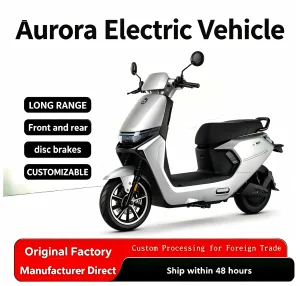
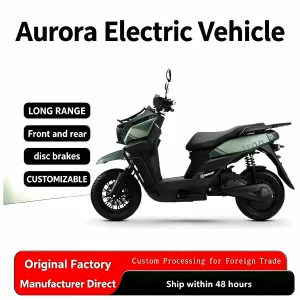
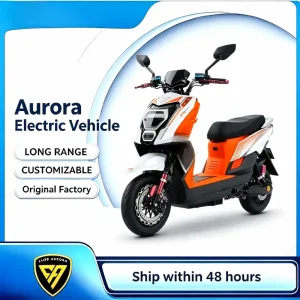
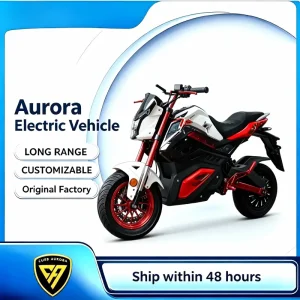
Ensuring compliance, safe transport, and high-performance quality from factory floors to Swiss dealerships.
Our R&D division has a successful track record in translating client specifications into street-legal products. Whether modifying motor controller firmware to meet the exact 25 km/h Swiss speed ceiling, implementing custom GPS tracking interfaces for rental fleets, or manufacturing heavy cargo racks, we customize every element.
To avoid surface scratches or chassis misalignment during ocean and land freight, all units are shipped in five-layer heavy-duty kraft cartons. Every bike is secured in a custom structural steel cage, wrap-padded with high-density foam, and includes moisture-absorbing silica gel packs.
Our team works with major shipping companies, ensuring smooth customs processing at northern ports (Rotterdam/Hamburg) and efficient rail or truck transit to Basel, Zurich, and Geneva hubs. We accept your preferred freight forwarding company or manage the complete door-to-port transaction.
Specialized heavy cargo and multi-passenger variants designed for eco-mobility operations.
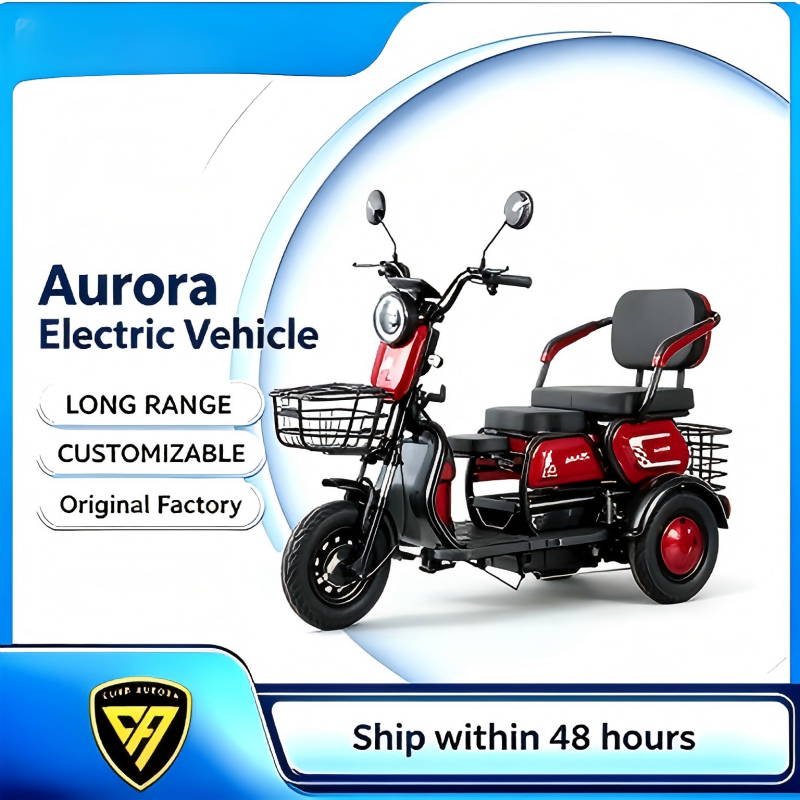
High-stability trike, ideal for elderly mobility and urban shopping trips.
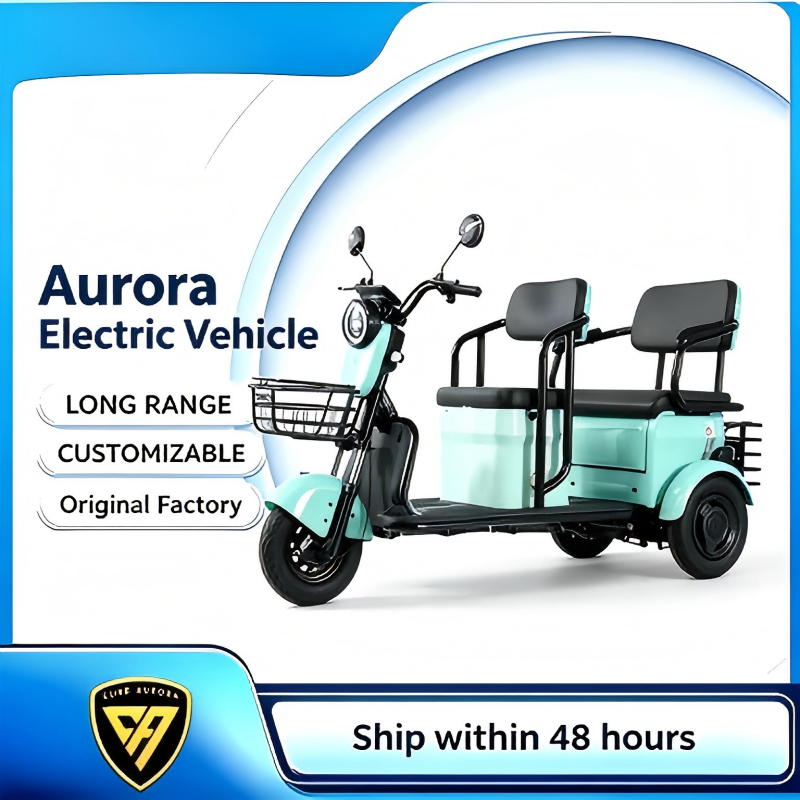
Optimized for eco-tourism transfers and green passenger shuttle services.
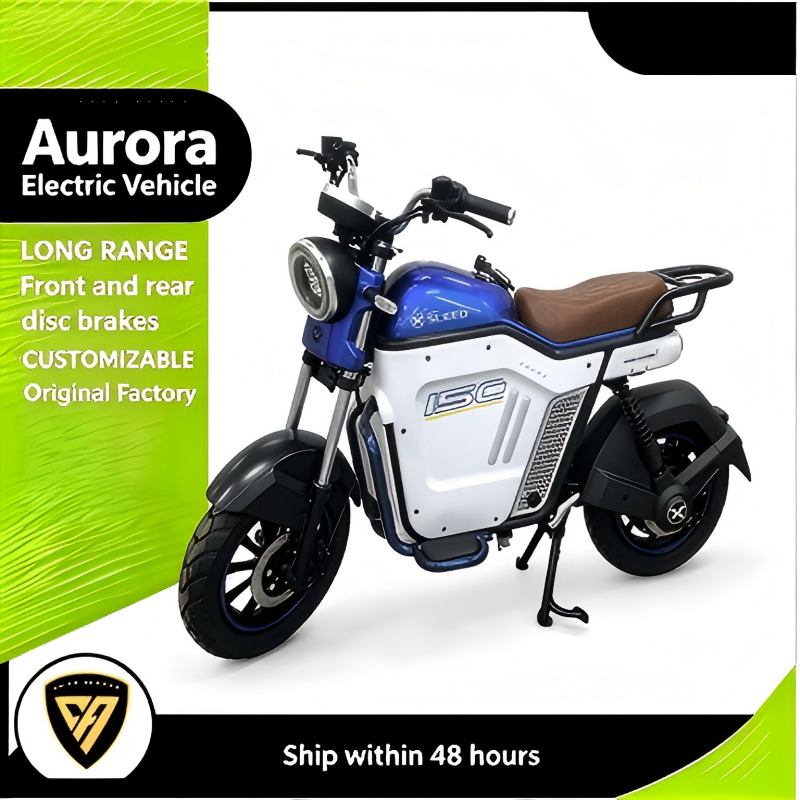
Retrospected style combined with high peak torque output for alpine adventure trails.
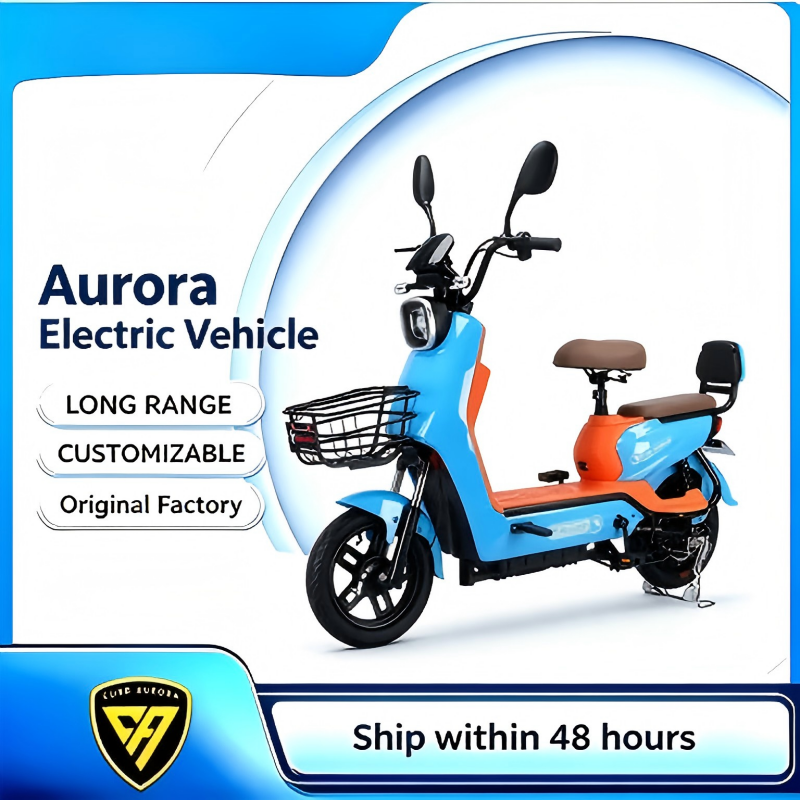
High structural integrity and simple maintenance for daily urban transit.
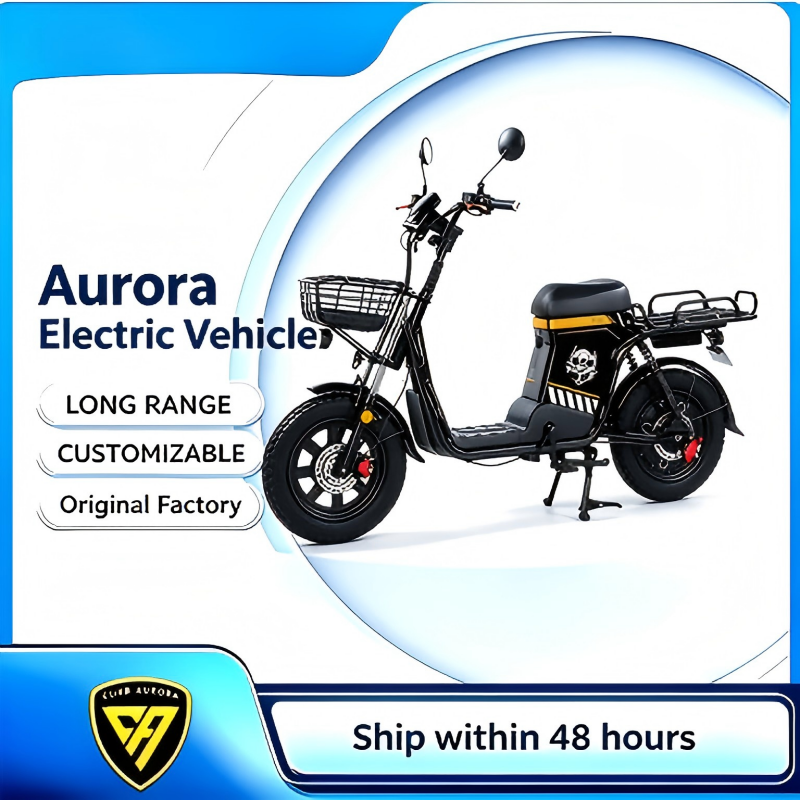
High amp-hour configuration designed for round-the-clock commercial logistics.
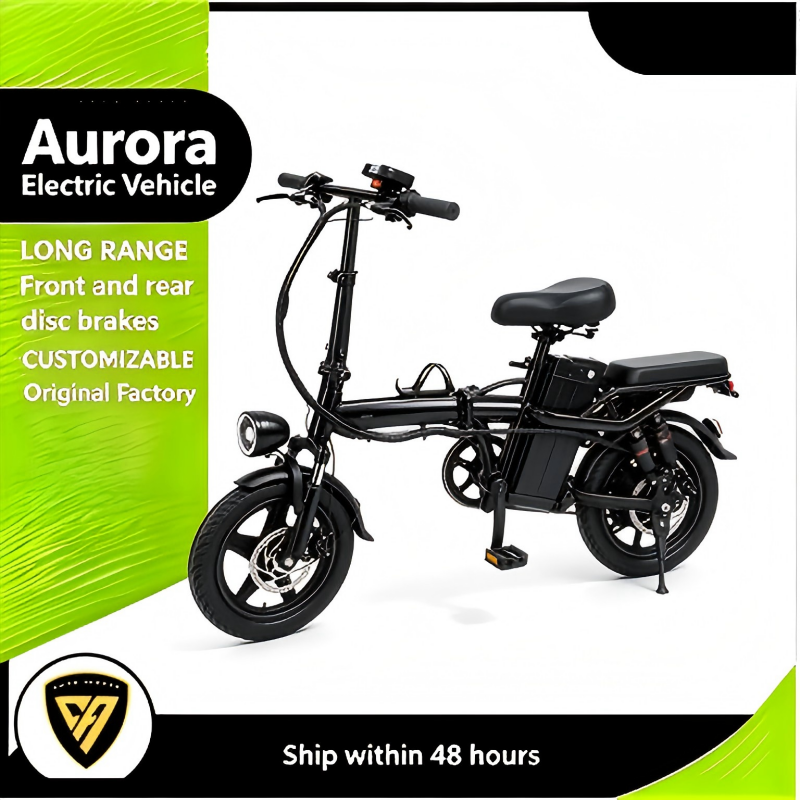
Compact folding structure with front and rear suspension to absorb vibrations.
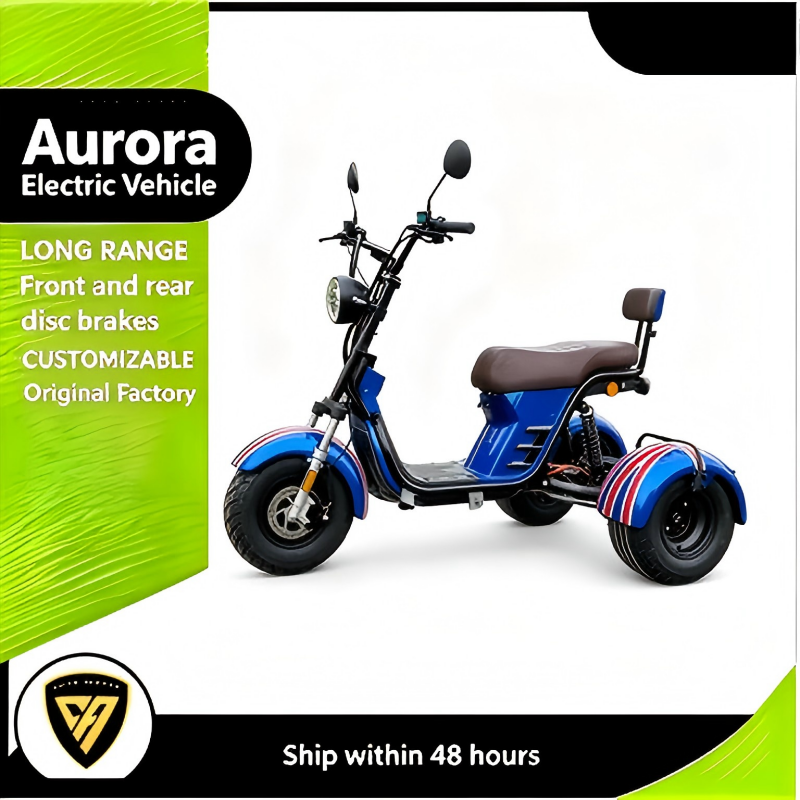
Bold styling paired with high-stability three-wheel configuration.
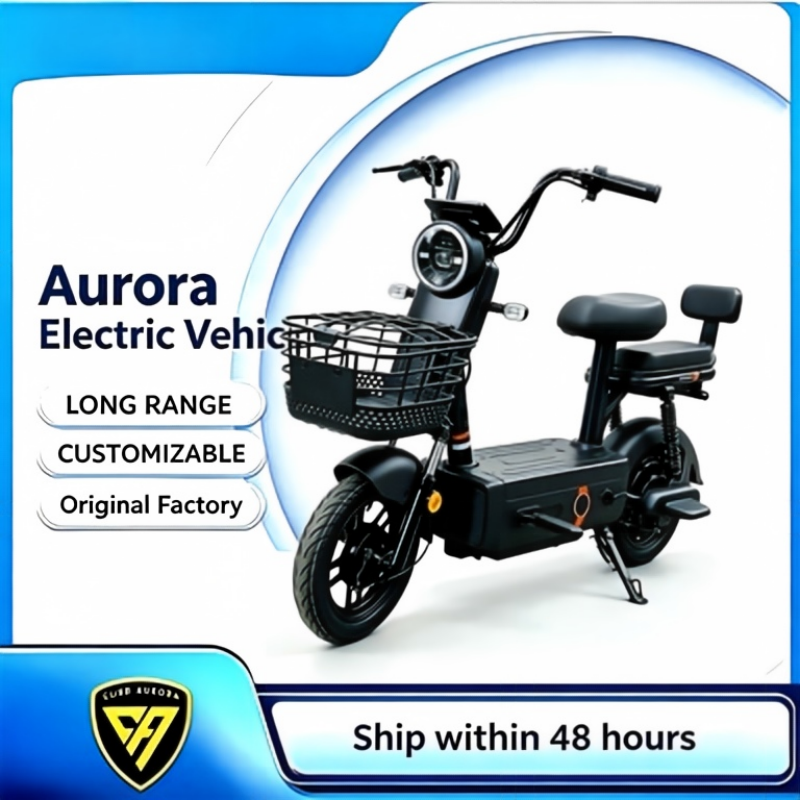
Minimalist aesthetic with high efficiency motor systems for modern commuters.
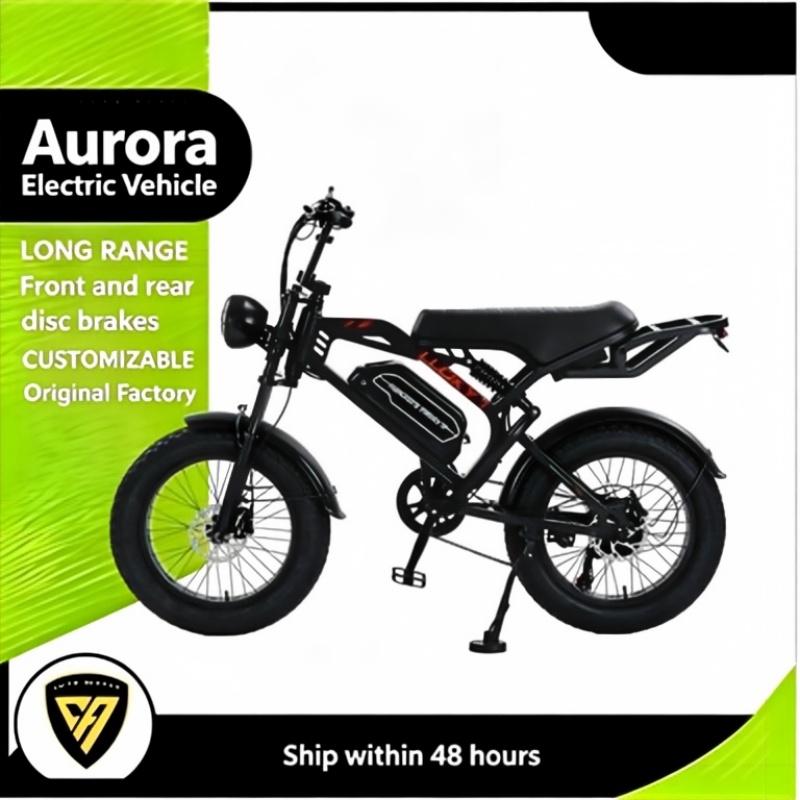
Extra-wide tires provide traction in alpine slush, snow, and forest gravel trails.
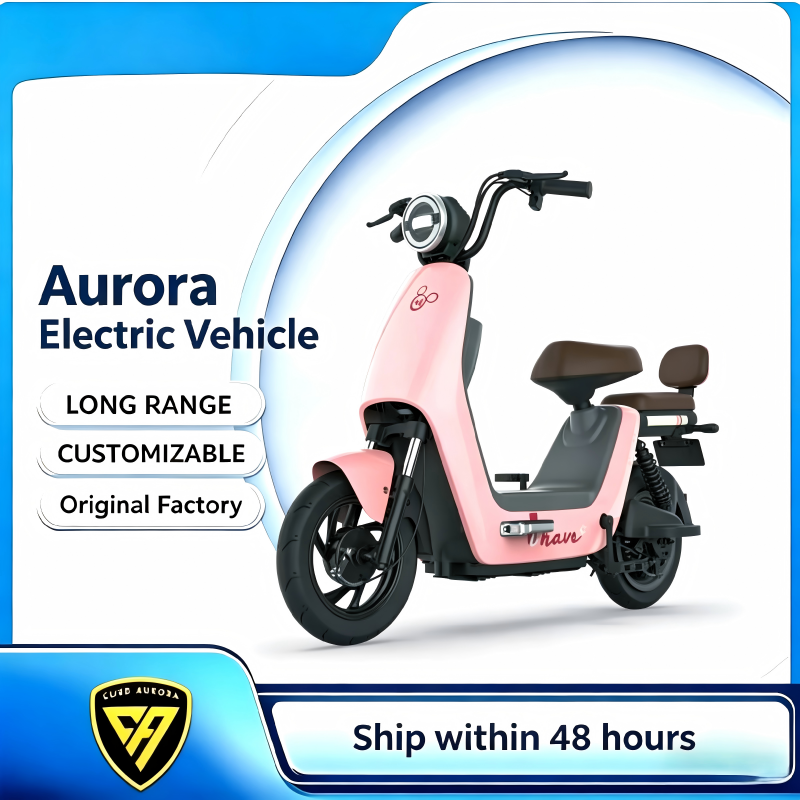
Compact chassis featuring two seats for city commutes.
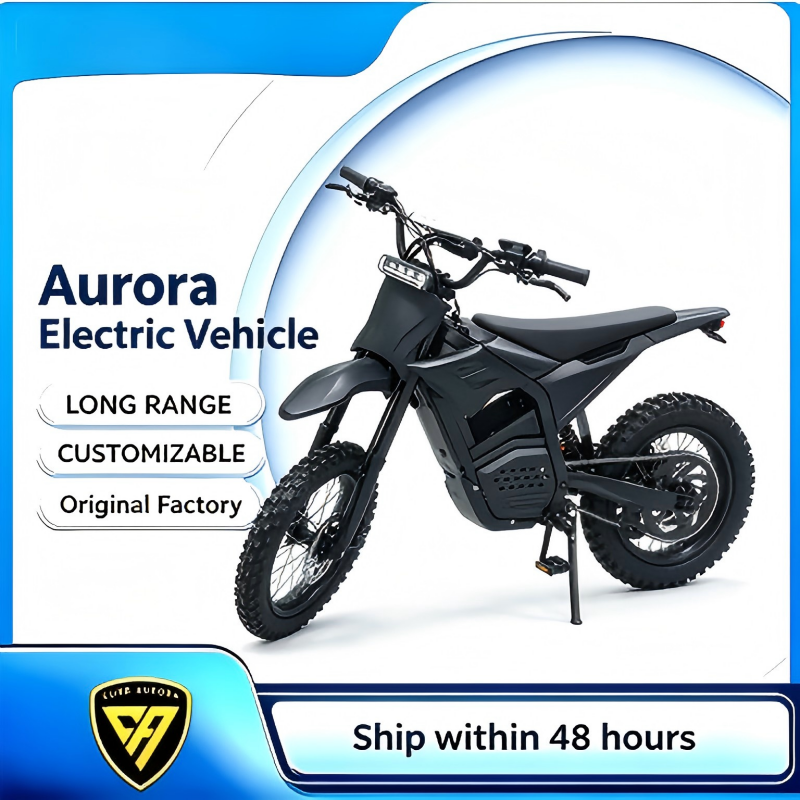
High motor power and long-travel suspension for outdoor sport use.
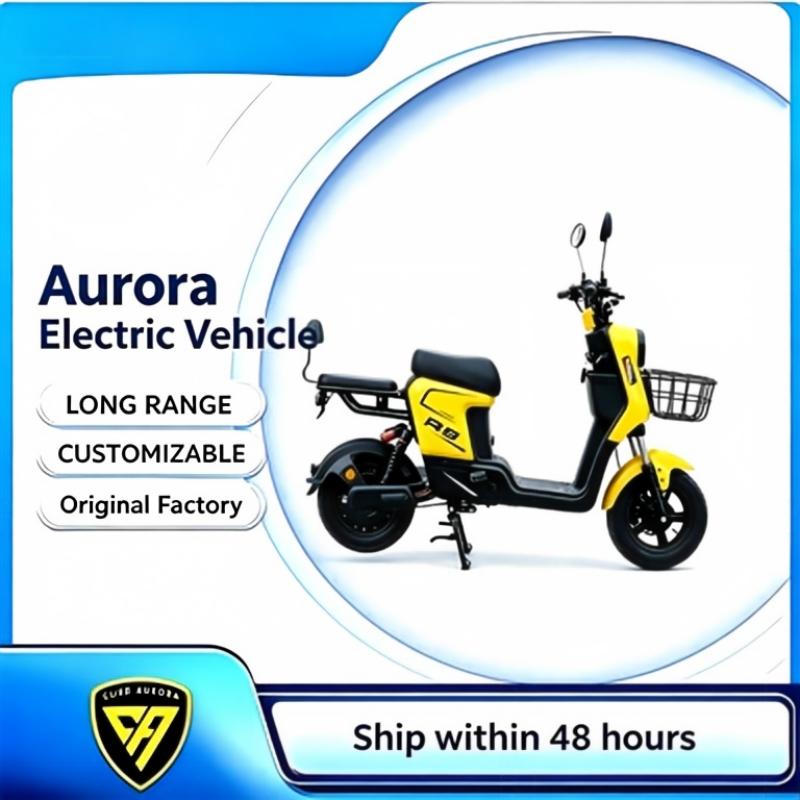
Agile, light frame perfect for negotiating narrow medieval roads.
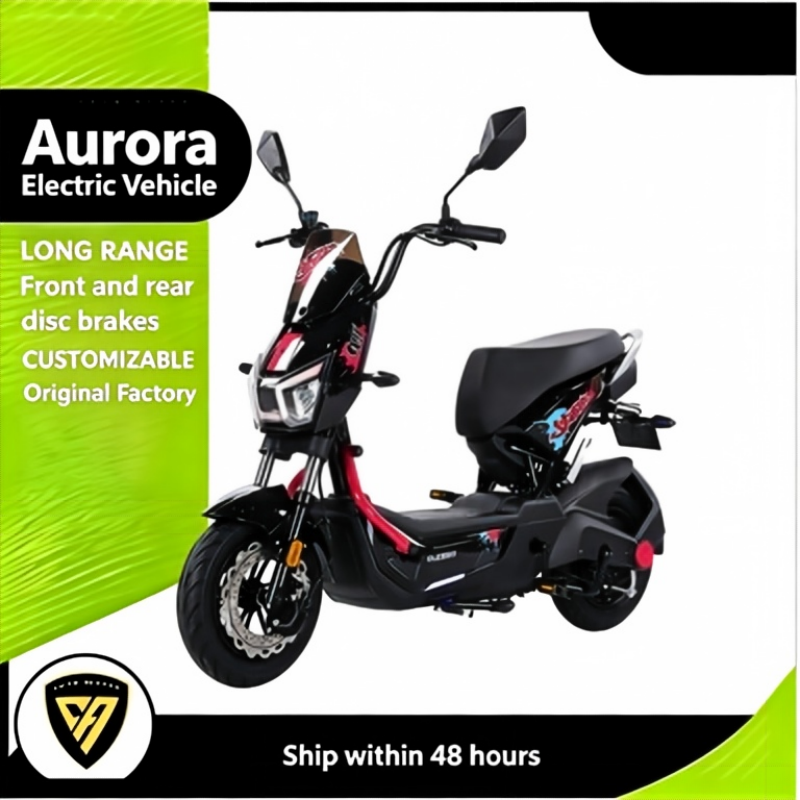
Designed to fit Swiss Category A1/AM licenses, providing smooth acceleration.
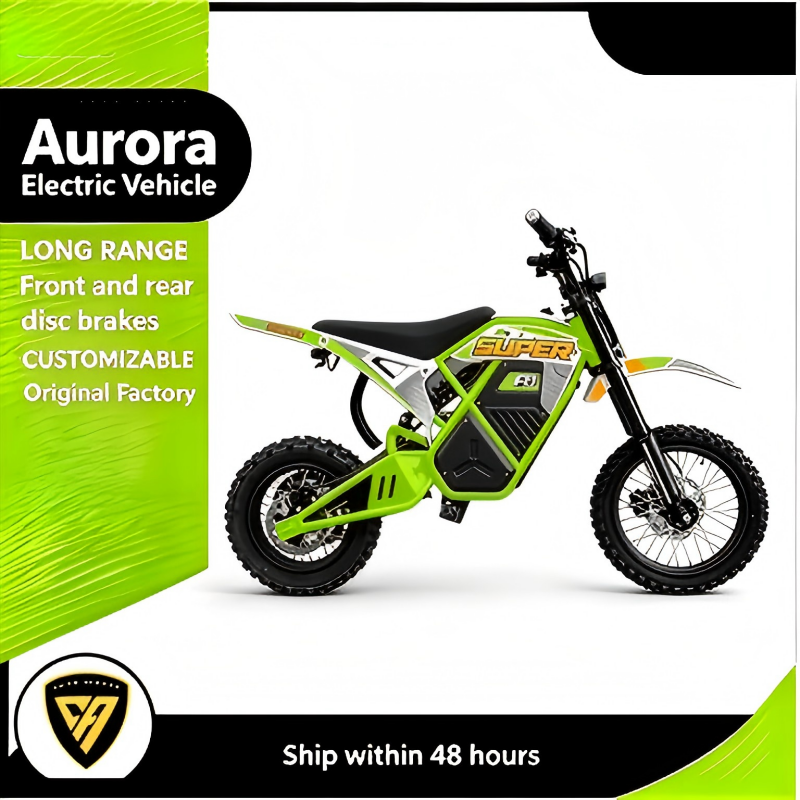
Built for trail exploration, offering exceptional hill-climbing torque.
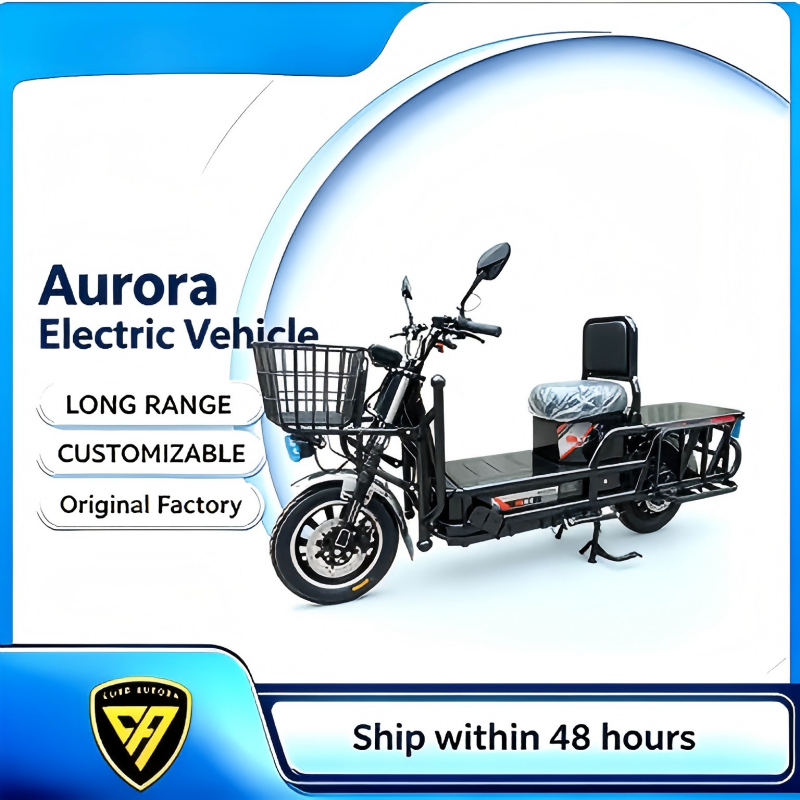
Reinforced double-stand system with extra loading options for delivery routes.
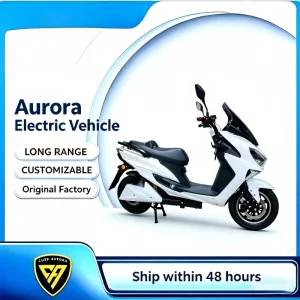
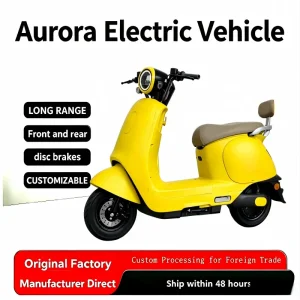
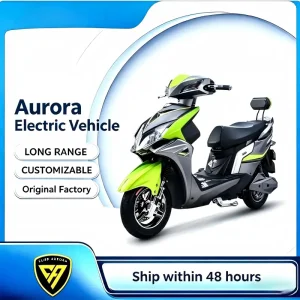
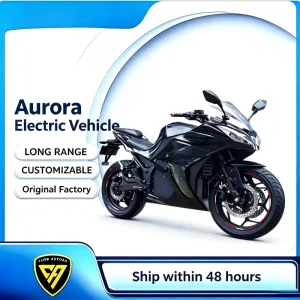
Fully compliant with CE standards. Built for high performance, durable frames, and long range.
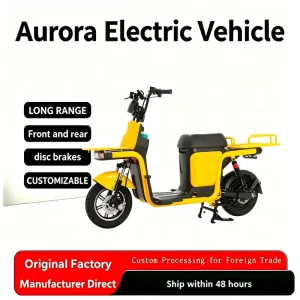
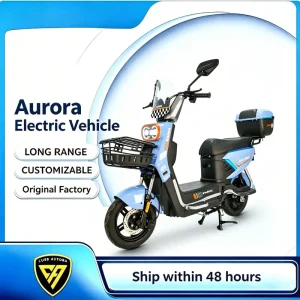
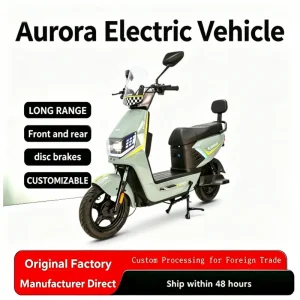
Addressing crucial import, custom licensing, technical support, and structural engineering concerns for B2B partners in Switzerland.
Under ASTRA guidelines, Switzerland divides electric two-wheelers into two main groups: "Leichtmotorfahrräder" (light motorbikes up to 25 km/h and maximum 500W output, which do not require a driving permit for people aged 16+ or require category M for youth between 14-16), and "Motorfahrräder" (motorized bicycles up to 45 km/h and maximum 1000W output, requiring a Category M/AM license, side mirror, and Swiss yellow vehicle plate). We supply customizable firmware controls to strictly set these speed and wattage cutoffs on all shipped units.
Standard lithium batteries suffer up to 30% performance drops in sub-zero winter temperatures. Aurora electric mopeds utilize high-density lithium packs containing premium Grade-A cells coupled with a smart BMS. For Swiss B2B clients, we offer upgraded configurations featuring thermal insulating wraps and low-temperature pre-heating circuitry. This keeps the operating temperature stable, maintaining high range and protecting cycle life during winter.
Yes. All of our chargers shipped to the Switzerland market are fitted with native SEV 1011 Type 12 (or Type 23 for high-power quick chargers) power plugs, bypassing the need for unsafe adapters. Our models are constructed under CE certifications, and we supply full tech dossiers (including EMC, LVD, and EN 15194 test reports) to facilitate smooth Type Approval processing with local Cantonal road traffic offices (Strassenverkehrsamt).
Our standard production lead time for bulk OEM/ODM orders is between 30 to 45 days after deposit confirmation. Shipping is handled via Qingdao Port directly to major European ports like Rotterdam or Hamburg, followed by intermodal block train or truck transport into inland Swiss terminals (such as Basel or Zurich). Total door-to-door transit times typically run between 40 to 50 days.