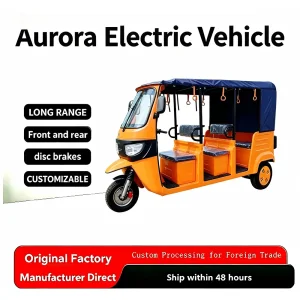
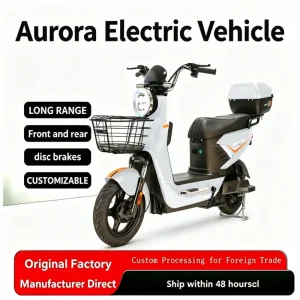
Engineered for Ethiopia's Unique Climatic, Urban, and Commercial Scenarios
Ethiopia is undergoing one of the most radical public policy pivots toward electric mobility (e-mobility) in Sub-Saharan Africa. Faced with soaring foreign exchange expenditures on petroleum products, the Ethiopian Ministry of Transport and Logistics announced a groundbreaking policy in early 2024 to restrict the importation of internal combustion engine (ICE) passenger vehicles. Coupled with the Climate Resilient Green Economy (CRGE) initiative, this mandate makes electric vehicles—specifically low-cost, high-efficiency micro-mobility assets like electric tricycles—essential for municipal development, cargo logistics, and passenger conveyance.
For B2B importers, commercial fleet operators, and global sourcing houses, the Ethiopian market presents a unique blend of structural opportunities and operating parameters. Unlike passenger EVs which require capital-intensive DC fast-charging networks, electric three-wheelers (tricycles or "bajajs") operate optimally on localized swap-battery structures and simple AC charging infrastructures. This flexibility, paired with the recent elimination of customs tariffs on completely knocked-down (CKD) and semi-knocked-down (SKD) electric vehicle components, has created an unprecedented importing window.
Delivering Industrial-Grade Supply Chain Stability to Global Distributing Partners
How Our Vehicles Solve Real-World Mobility and Trade Bottlenecks
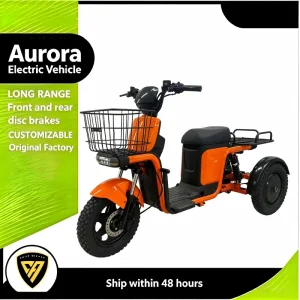
In bustling wholesale zones like Addis Ketema (Merkato), traffic congestion and narrow pathways restrict traditional trucks. Our heavy-duty electric cargo three-wheelers, equipped with low-end torque gearboxes and split-differential motors, navigate high inclines (such as Entoto hills) while moving goods from depots directly to commercial storefronts.
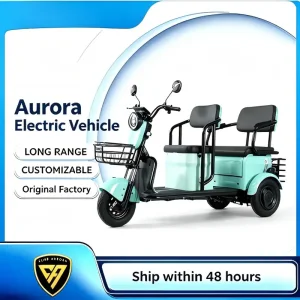
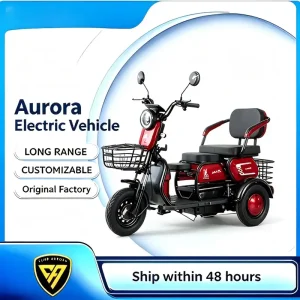
Municipalities in regional industrial capitals are aggressively looking to phase out noisy, high-emission diesel engines. Our passenger electric three-wheelers provide silent, smooth, and rain-protected transport for 3-4 passengers, ensuring maximum daily returns for driver-operators and reduced urban air pollution.
Connecting smallholder farms in regions like Oromia and Amhara to local aggregation points requires durable chassis frames. Our reinforced high-carbon steel cargo platforms carry loads of up to 1000 kg over unpaved surfaces, thanks to customized shock absorption assemblies and puncture-resistant tubeless tires.
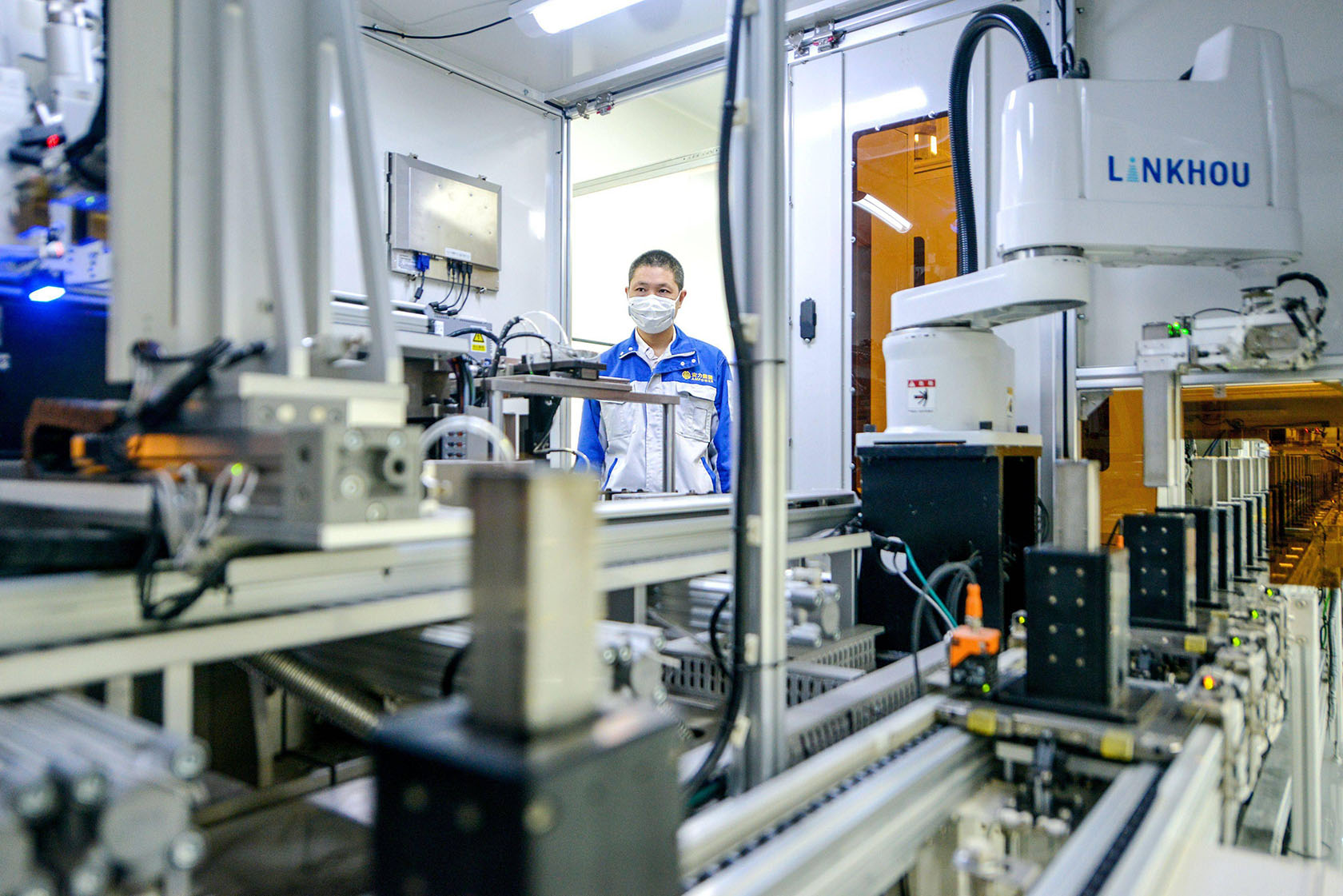
At Aurora Electric Vehicle Shandong Co., Ltd., we utilize digitalized intelligence across our production cycles. Our manufacturing cluster in Linyi, Shandong, operates advanced ERP-driven procurement and robotic structural welding, ensuring a high-grade mechanical tolerance that prevents frame degradation over years of heavy service in rugged terrains.
We solve the global supply chain crisis by providing complete engineering flexibility through OEM/ODM partnerships. Our engineering team customizes power configurations, battery chemistries, and frame dimensions based on our customers' destination climates and legal requirements:
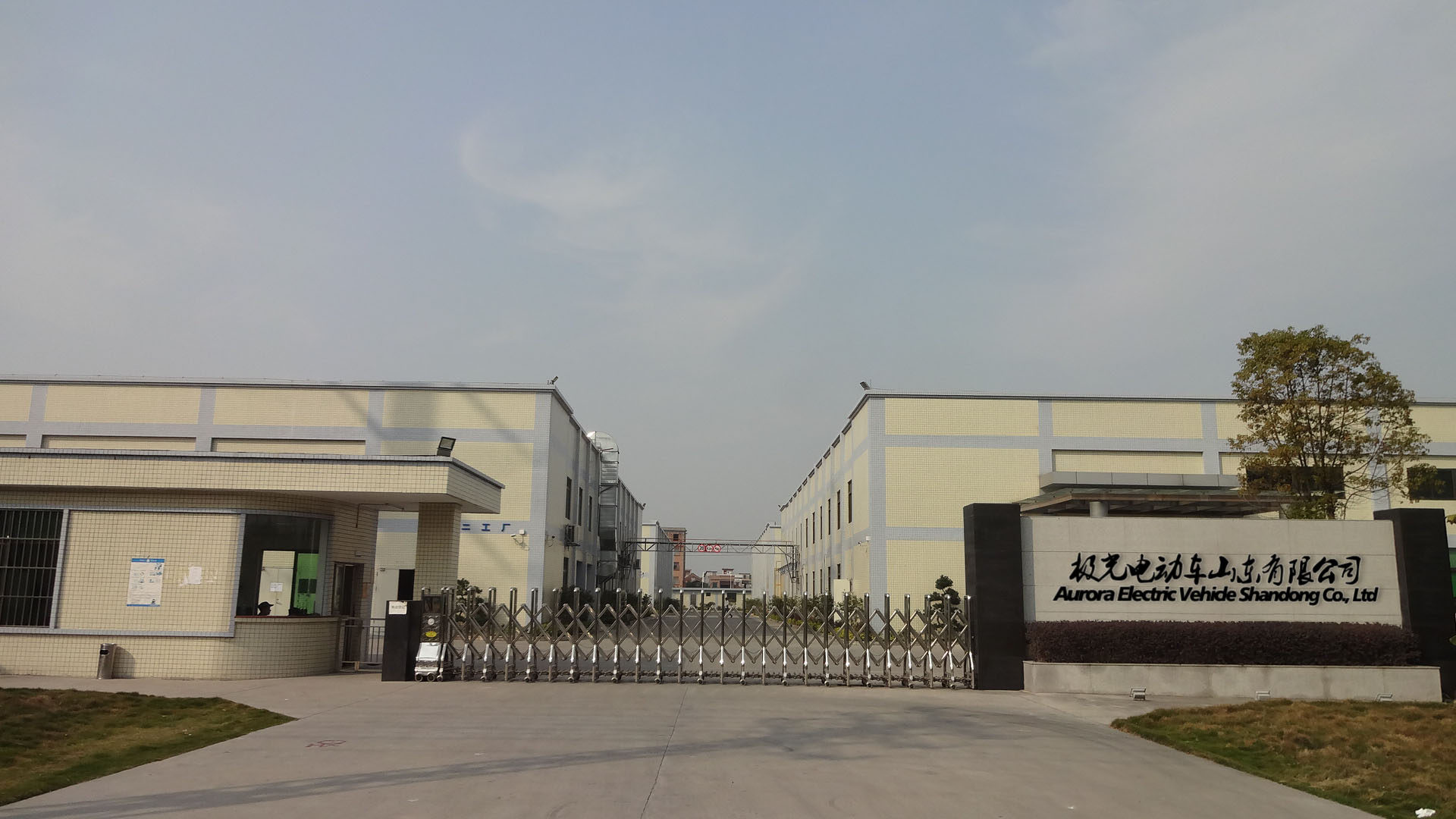
Established in 2015, Aurora Electric Vehicle Shandong Co., Ltd. is positioned at the intersection of geographical convenience and industrial mastery. Located in Linyi City—Shandong's largest logistics and transport hub—we leverage premium material routing and a highly integrated component supply ecosystem to manufacture next-generation electric vehicles.
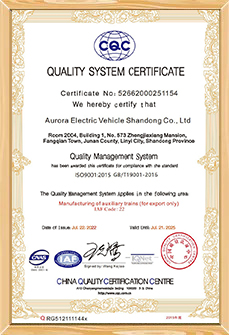
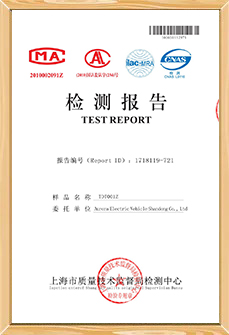
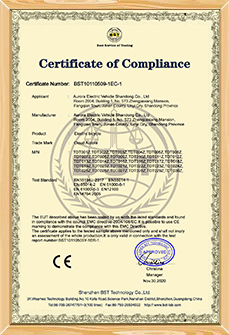
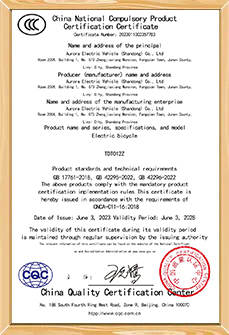
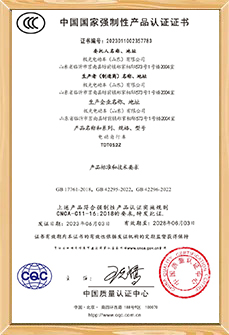
Over the past 10 years, our facility has expanded from a dedicated prototype workshop to a comprehensive industrial enterprise encompassing R&D labs, ISO-certified assembly plants, automated product testing yards, and dedicated global export teams. As a pioneer in the era of strict safety compliance, we construct vehicles that meet CE, CCC, and FCC standards, ensuring seamless importation for our international trading partners.
Our core driving philosophy relies on "integrity, pragmatism, innovation, and win-win." In line with this, we invest 8% of annual revenues back into battery management system (BMS) research, ensuring safety, flame retardance, and long lifespan under high cycles.
Ensuring Smooth Customs Clearance, Tariff Incentives, and Local Registrations
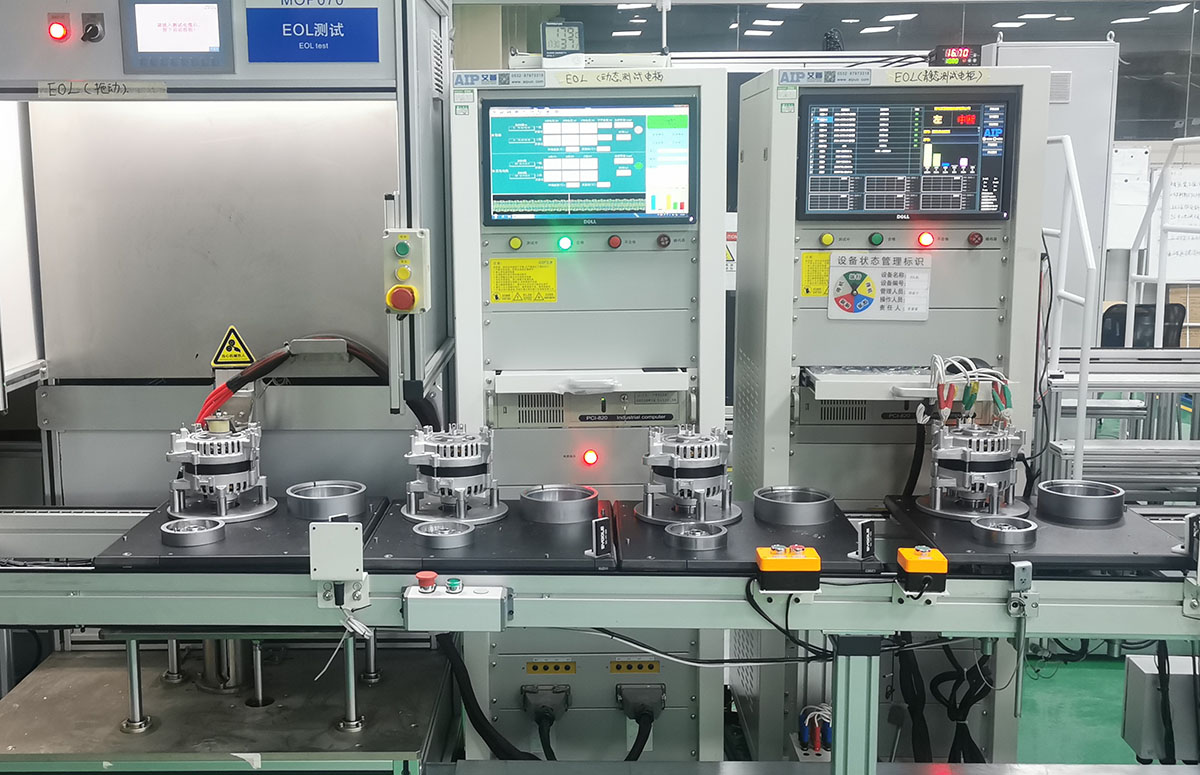
Our manufacturing workflow is certified under ISO9001:2015. Our production lines utilize real-time quality scanning, dynamic dyno-testing for power efficiency, and insulation resistance checking to ensure that every vehicle leaving our docks is ready for immediate operation.
Partnering with International Organizations, Local Distributors, and Logistics Networks
Key Commercial, Technical, and Logistical Insights for B2B Importers
Under the revised tax policies of the Ethiopian Ministry of Transport and Logistics, importing CBU (Completely Built-up) electric vehicles incurs a custom duty of around 15%. However, importing CKD (Completely Knocked-down) components attracts 0% customs duty, and SKD (Semi-knocked-down) attracts only 5%. Aurora EV supports custom packaging and labeled boxing for CKD/SKD configurations, ensuring your local assembly line meets duty-exemption standards easily.
Addis Ababa sits at over 2,300 meters above sea level, featuring steep slopes and thin air. While ICE engines experience power loss due to reduced oxygen, electric motors retain 100% torque output. We customize our tricycles with high-torque brushless DC (BLDC) motors (e.g., 1000W - 1500W systems) and dual-ratio gearboxes ("climbing gear") to ensure the vehicle starts smoothly under heavy cargo loads on steep inclines.
We supply two battery options depending on budget: Heavy-duty Lead-Acid batteries and Lithium Iron Phosphate (LiFePO4) systems. LiFePO4 batteries are highly recommended for hot climates and high cyclic usage, offering over 2,500 charging cycles (approximately 5-7 years of daily service) compared to 400-500 cycles for lead-acid. Our smart BMS safeguards the battery against thermal runaway, overcharge, and over-discharge.
To optimize shipping efficiency and ocean freight costs, our standard MOQ is typically 1x20GP container (which holds approximately 15-20 CKD tricycle units depending on exact models). For 1x40HQ containers, we can load up to 45-50 CKD cargo tricycle packages. This ensures our partners achieve the lowest landed cost per unit.
We provide 1% to 2% free wearing spare parts (such as controllers, brake pads, lights, and switches) with every bulk container order. Additionally, we provide a 1-year warranty on core electrical elements including the motor, axle, controller, and battery frame. Our engineering team conducts virtual technical training for your assembly crew.
Get in touch with our commercial engineers today to request technical drawings, custom CKD layout blueprints, and competitive bulk pricing quotes.
Send Inquiry NowRigorous Engineering, Certified Performance, and Versatile Load Capacity