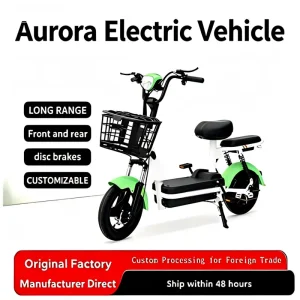
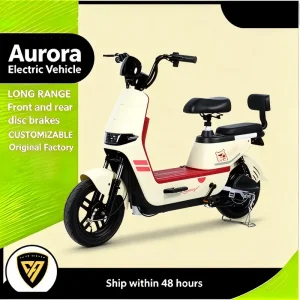
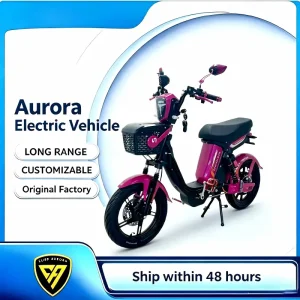
Engineered for high carrying capacity, topographic adaptability, and zero-emissions logistics.
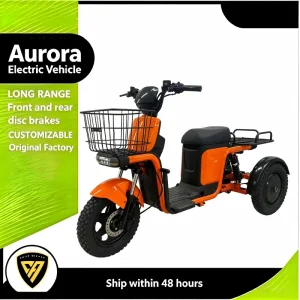
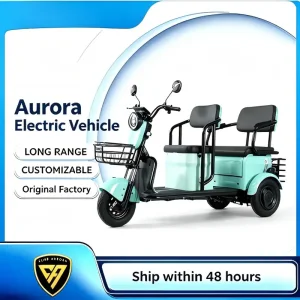
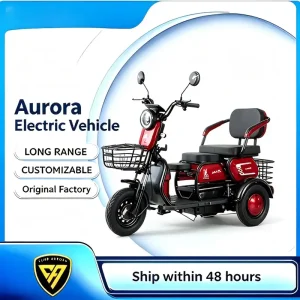
As New Zealand aggressively pursues its 2050 Net Zero Carbon emissions target under the Climate Change Response Act, commercial transportation networks are undergoing a radical shift. Traditional internal combustion engine (ICE) utility vehicles on Kiwi orchards, vineyards, and city centers are being replaced by high-efficiency Light Electric Vehicles (LEVs).
In regions such as Marlborough, Hawke’s Bay, and Central Otago, soil compaction and operational carbon footprints are major concerns for vineyard and farm operators. Electric tricycles offer a lightweight, high-torque alternative that navigates tight vine rows and hilly pastures without the heavy footprint of full-sized tractors. Simultaneously, in congested urban cores like Auckland and Wellington, last-mile courier services are adopting cargo e-trikes to bypass congestion, parking fines, and rising diesel taxes.
Our company, Aurora Electric Vehicle, leverages over a decade of production excellence to supply specialized, export-grade electric tricycles that align perfectly with New Zealand's safety guidelines and environmental expectations.
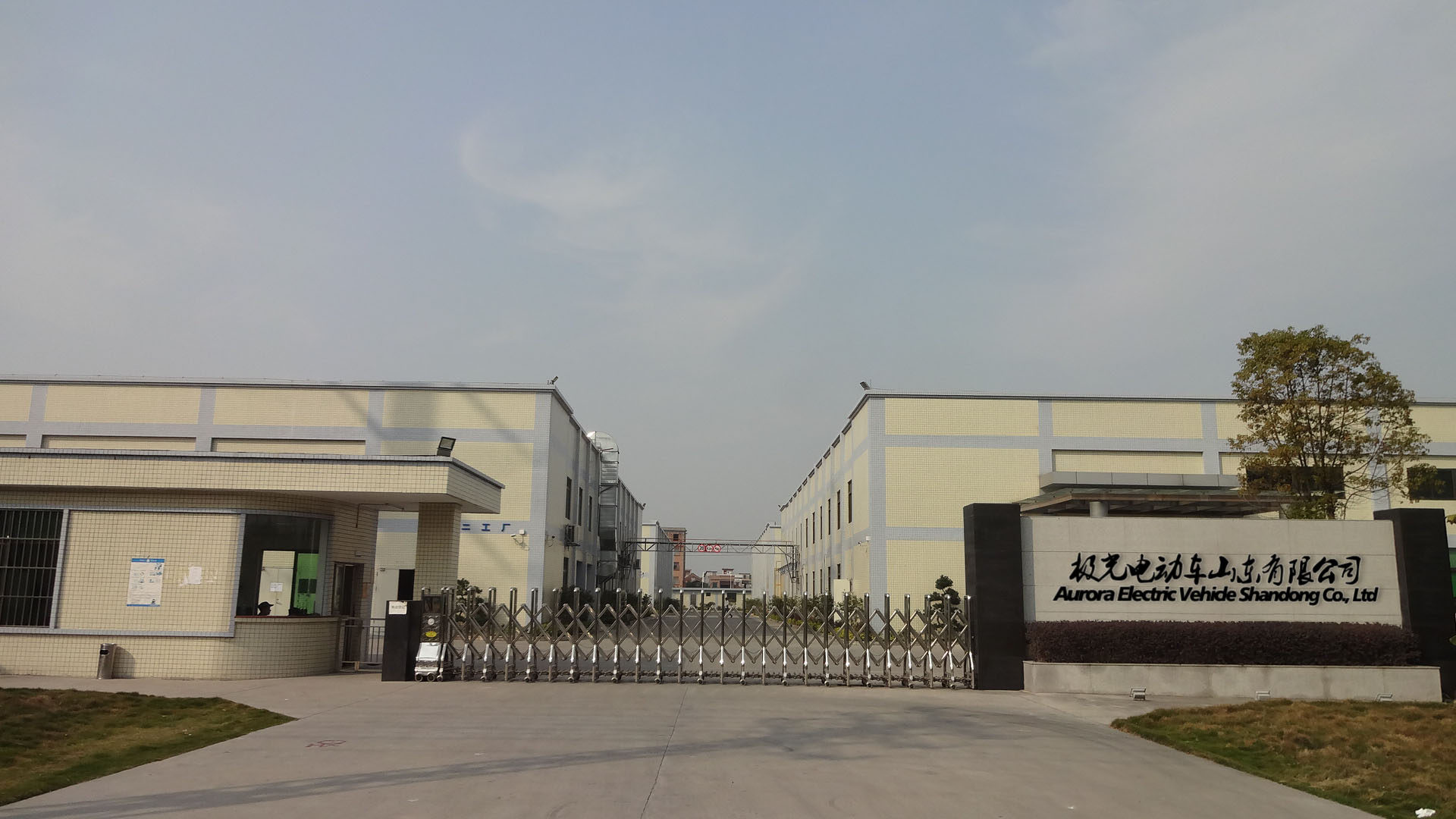
Premium options engineered for high efficiency, active transportation, and city dispatch fleets.
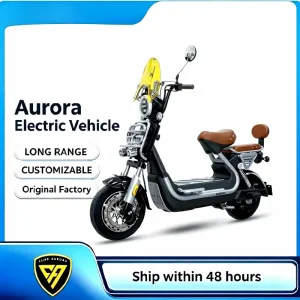
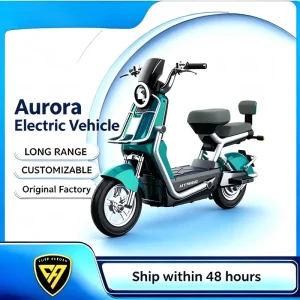
How the integration of battery management systems and heavy-duty chassis is transforming the logistics sector.
The global electric tricycle sector has rapidly transitioned away from traditional lead-acid power sources. Heavy-duty Lithium Iron Phosphate (LiFePO4) battery packs are now the standard, offering superior thermal stability, extended charge-discharge life cycles, and reliable operation across extreme ambient temperatures.
Modern fleet managers demand data integration. Electric cargo trikes are increasingly fitted with integrated CAN-bus networks and cellular IoT modules, transmitting location, state of charge, battery cell temperature, and motor output metrics back to dispatch centers in real time.
Today’s high-power cargo trikes boast modular utility platforms, hydraulic rear tipping beds, and fully enclosed insulated compartments. Reinforced cold-rolled steel chassis and advanced suspension configurations support loads exceeding 500 kilograms, easily matching ICE counterparts.
R&D Experience
Global Export Scope
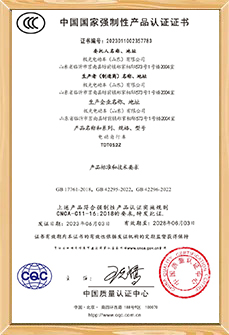
CCC/CE/FCC Standards
Optimized Integration
The practical application of three-wheel electric cargo vehicles in New Zealand is diverse, taking full advantage of their low operational costs and high utility:
A look at our heritage, technological innovations, and rigorous quality management frameworks.
Founded in 2015, **Aurora Electric Vehicle Shandong Co., Ltd.** is situated in Linyi City, Shandong Province—a strategic transit center linking the Yangtze River Delta and the Bohai Economic Circle. Over the last decade, we have expanded from a targeted regional workshop into a global manufacturer integrating in-house research, high-precision manufacturing, testing, and international logistics support.
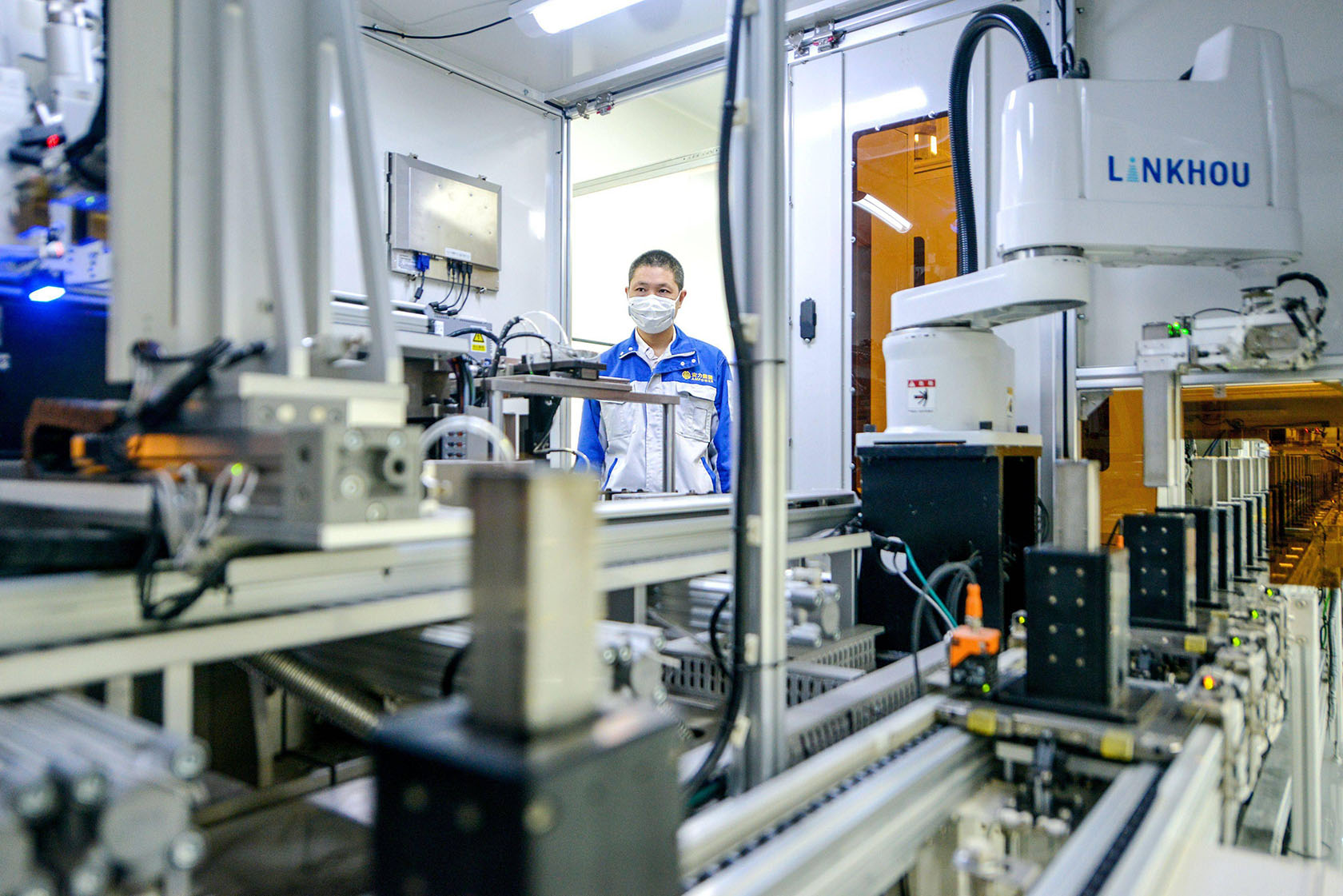
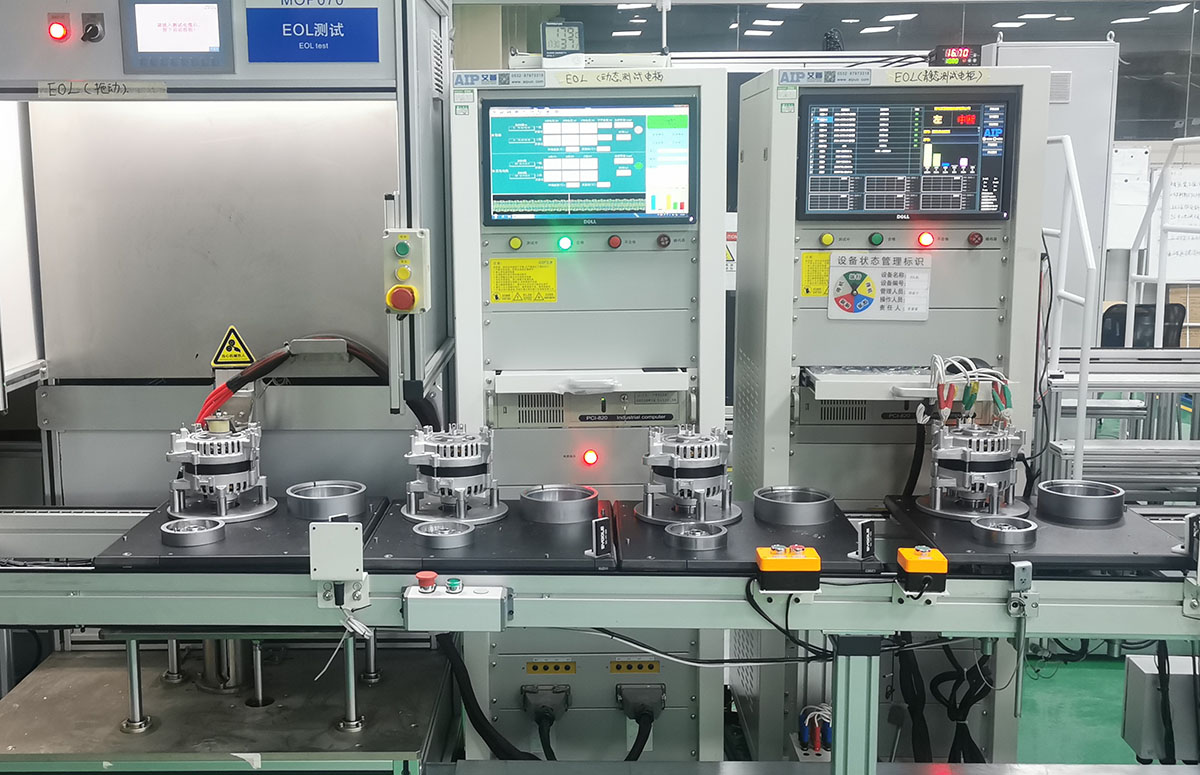
In 2019, when China implemented the stringent New National Standard (GB17761-2018), we proactive upgraded our entire tooling lineup. Our facilities feature automated digital assembly, advanced frame-welding robots, and specialized dynamometers to ensure every single chassis conforms to strict fire retardant, anti-tampering, and safety parameters.
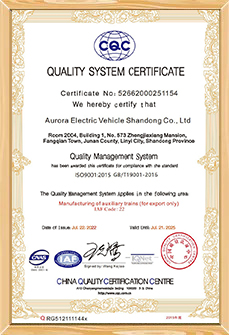
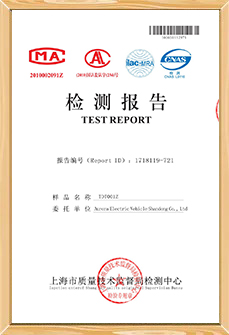
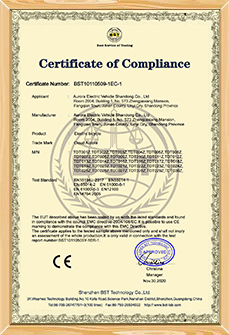
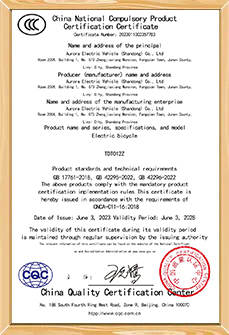
Fully certified to meet compliance demands in New Zealand, Australia, Europe, and North America.
Composed of engineers with a minimum of 10 years of experience in EV drive systems. We focus on enhancing controller efficiency, battery safety under cold conditions, and hold multiple patents in brushless hub motors and BMS algorithms.
Rigorous quality control defines our assembly personnel. They enforce multi-point structural checks from incoming raw frame steel inspection to finished vehicle load and dyno testing before shipping.
Providing tailored OEM/ODM partnerships, import paperwork guidance for New Zealand import laws, comprehensive parts supply chain options, and prompt post-sales troubleshooting.
Real-world integration showcasing the mechanical capabilities of Aurora’s product range.
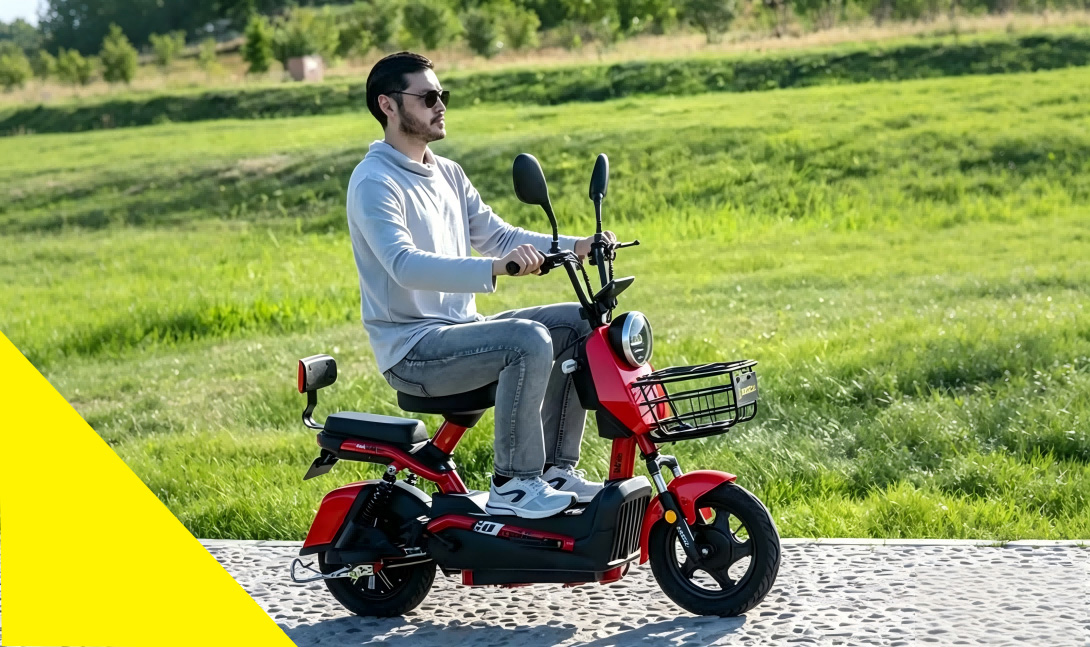
Fitted with an upgraded 1500W transaxle motor and heavy-duty planetary gear reduction hub, our heavy utility vehicles successfully navigated row trails in Central Otago, replacing fossil-fueled quad bikes. Fleet operators reported a 75% reduction in yearly fuel and maintenance costs.
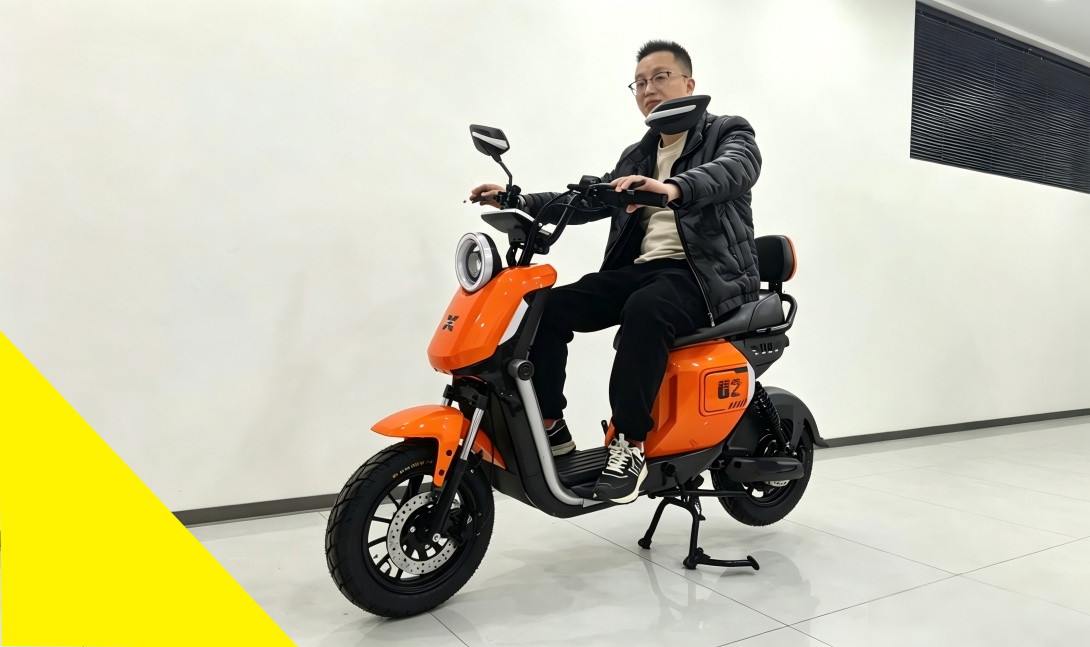
Working with regional parcel carriers, we delivered custom cargo box configurations equipped with integrated digital lockboxes. These trikes cut delivery times by 20% in pedestrianized central zones, showcasing the value of urban micro-mobility designs.
Our complete catalog designed to handle tough terrain, high load capacities, and daily operations.
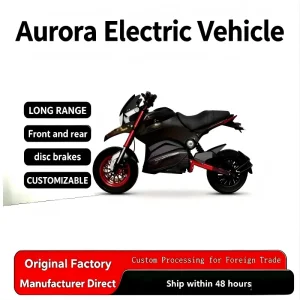
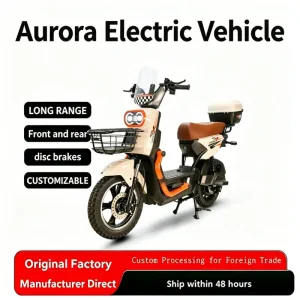
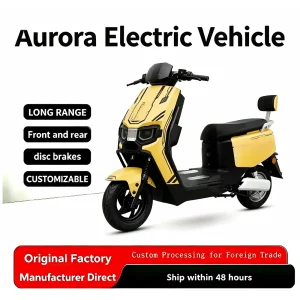
Pioneering design and materials optimized for the demanding environments of Oceania.
Aurora Electric Vehicle implements a strict manufacturing framework designed to address the challenges faced by operators in New Zealand and globally:
Every vehicle undergoes strict dyno, water ingress, and impact testing in our Shandong laboratories, guaranteeing reliable performance upon delivery to Auckland, Lyttelton, or Tauranga ports.

Essential advice on road regulations, compliance standards, and custom manufacturing solutions.
In New Zealand, vehicles with motor power ratings under 300W are classified as low-powered vehicles and do not require registration or a driver's license. For commercial cargo models exceeding 300W, they are typically classified as mopeds or light motorcycles depending on power output and design speed. Aurora customizes motor controllers to limit power levels to comply with NZTA moped rules (under 2kW and speed-governed to 50 km/h) to simplify the registration process for local operators.
Cold conditions can temporarily decrease lithium ion battery discharge capacity. To prevent this, Aurora offers optional insulated thermal battery cases and advanced battery management systems (BMS) with heater circuits. This ensures the batteries maintain optimal operating temperatures, preserving range even during cold winter mornings in Otago and Canterbury.
All Aurora vehicles undergo testing to comply with international standards. We hold CE, FCC, CCC, and EMC certifications. Our battery packs carry UN38.3 transport certification, ensuring safe shipping and meeting strict compliance regulations globally.
We provide full customization, including choice of motor capacity (ranging from 500W to 3000W), battery capacity configurations, customized cargo box sizes, integrated tool racks, hydraulic dump beds, and custom fleet branding. We can also adapt suspension setups to handle specific soil and terrain profiles.
We use heavy-duty 5-layer imported kraft cardboard and rigid internal steel frames to secure vehicles during transit. This robust packaging protects components from shifting, moisture, and impact throughout the ocean journey from China to New Zealand.
Production cycles generally require 20 to 30 days depending on custom requirements and order size. Ocean shipping from Qingdao or Shanghai to main New Zealand ports (Auckland, Tauranga, Lyttelton) takes approximately 18 to 25 days, depending on shipping schedules.
We offer comprehensive warranty coverage on structural frames, motors, and batteries. To ensure minimal downtime, we include a package of critical spare parts (such as controllers, brake pads, throttles, and switches) with bulk orders, and dispatch replacement parts quickly via global air express when needed.