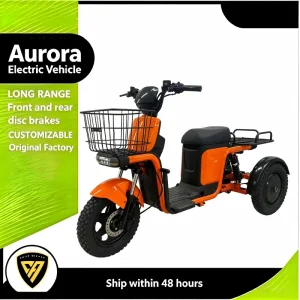
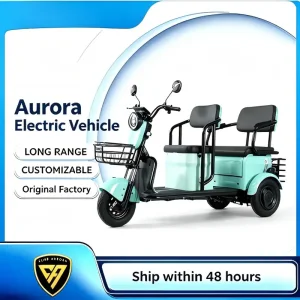
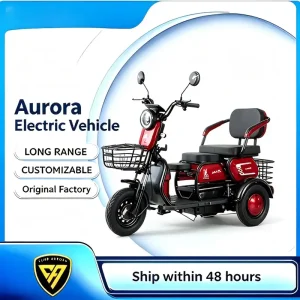
Kuala Lumpur, the vibrant economic heart of Malaysia, is facing unprecedented urban transit dynamics. Under the roadmap of the Low Carbon Mobility Blueprint (LCMB) 2021-2030, the Malaysian government is aggressively striving to lower greenhouse gas emissions in high-density metropolitan zones. The Klang Valley area, plagued by chronic traffic congestion and the rapid growth of last-mile delivery services (spurred by regional giants such as Shopee, Lazada, and Grab), is actively seeking alternative transit fleets. The electric tricycle (e-trike) has emerged as an indispensable utility tool in this shift.
For industrial operations, historic trading lanes like those in Chinatown, Chow Kit, and Cheras present narrow avenues where standard 4-wheel utility vans cannot navigate effectively. Electric tricycles offer a sweet spot: zero tailpipe emissions, high payload capabilities, and the agility to negotiate tight alleys. Local commercial hubs, wholesaling entities, and municipal services in KL are starting to replace diesel-fueled small utility platforms with robust three-wheel electric cargo vehicles to minimize operational expenses and comply with strict urban ESG targets.
On a global scale, the electric tricycle market has transitioned from simple, basic recreational vehicles to heavy-duty, commercial-grade tools equipped with smart IoT interfaces and high-performance battery chemistry. The worldwide push for sustainable logistics has forced major delivery networks to optimize their "last-mile" footprint. Research indicates that using electric three-wheelers for urban distribution reduces delivery times by up to 18% and slashes operational costs by over 40% compared to conventional combustion-engine vans.
Technologically, the industry is witnessing a structural shift towards lithium-ion and lithium-iron-phosphate (LFP) battery systems, replacing traditional lead-acid configurations. Integration of telemetry systems, GPS tracking, remote vehicle diagnostics, and modular cargo options allow logistics companies to monitor their fleets in real-time, improving overall supply chain transparency and reliability.
Founded in 2015, our electric vehicle manufacturing enterprise is strategically based in Linyi City, Shandong Province—a primary logistics and transportation hub connecting the Yangtze River Delta with the Bohai Economic Circle. Backed by significant geographical and infrastructural advantages, we have developed over the last 10 years from a dedicated production workshop into a major comprehensive enterprise integrating high-end R&D, precision manufacturing, global sales, and complete after-sales support.
As a leading exporter of diverse electric vehicles, we have actively participated in the transformation of global green transport. In 2019, when the new national standard for electric bicycles was implemented in China, we took the initiative to optimize our production lines, upgrading parameters to meet strict global safety policies, fire-retardant requirements, and speed control parameters, establishing our reputation as a highly reliable supplier.
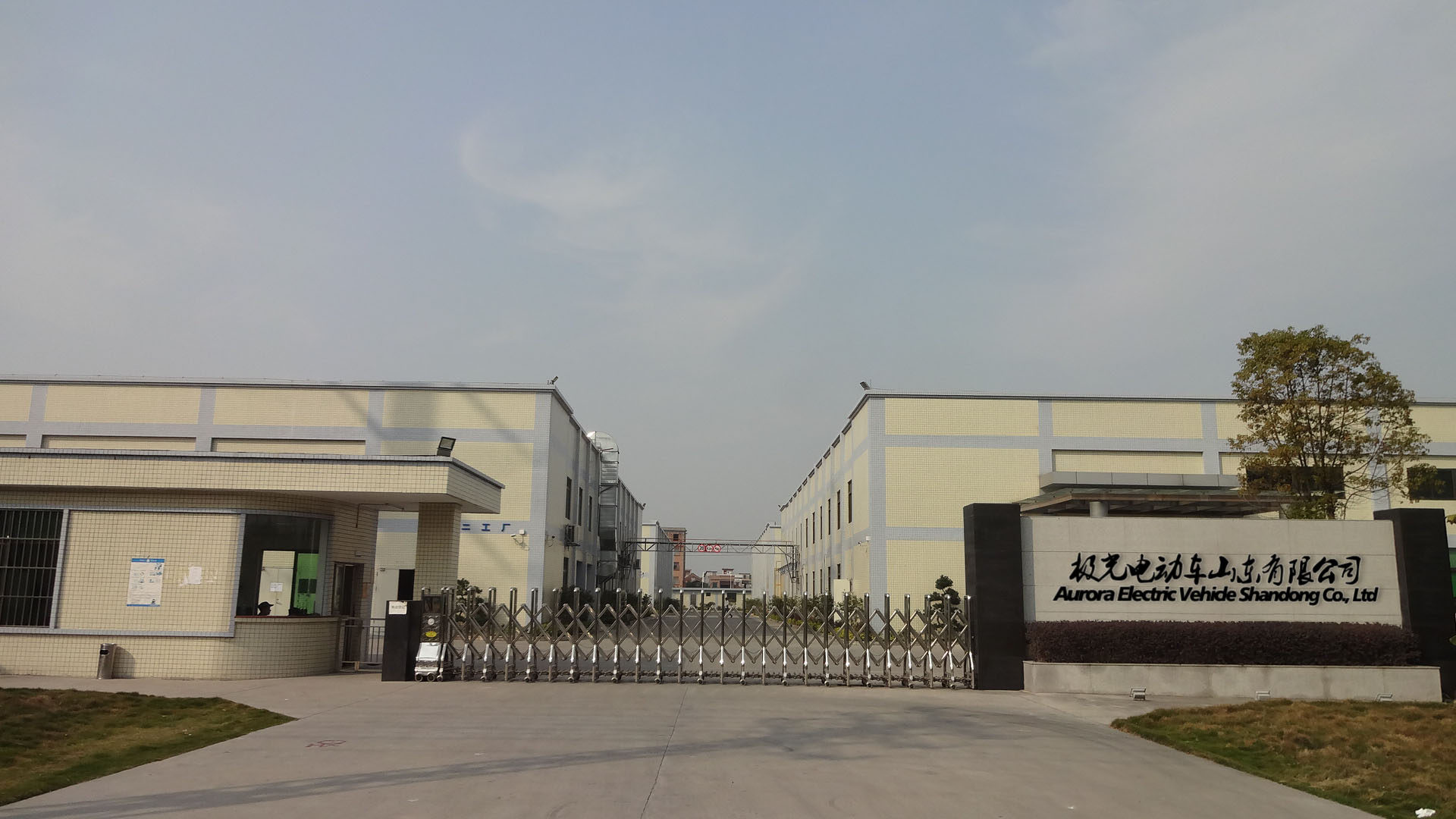
Our dedicated R&D department features senior engineers with more than a decade of experience in EV design. We hold multiple core patents in high-torque hub motor configuration, battery management system (BMS) safety, and customized structural frames, ensuring vehicles can handle demanding payloads and hilly urban topographies.
We execute strict quality control at every phase—from raw material testing to chassis welding and final assembly. Our testing facility subjects every electric tricycle and commuter bike to rigorous load-bearing, water resistance (IP67 certification testing), brake response, and fire resistance trials.
We provide tailored solutions designed for international logistics players and commuter fleets. From bespoke branding and cargo box dimensions to specific battery types suitable for tropical climates like Kuala Lumpur, we customize vehicles to meet precise operating requirements.
Deploying electric tricycles in Kuala Lumpur requires specialized engineering adjustments. KL's tropical monsoon climate features constant high humidity, average temperatures exceeding 30°C, and heavy sudden downpours. Conventional e-bikes and tricycles often suffer from motor ingress, battery overheating, and frame corrosion under these conditions.
Our updated technical roadmap addresses these local challenges through targeted innovations:
We manufacture all vehicles to meet rigorous international standards including CE, CCC, FCC, and global environmental directives, assuring safe and smooth import processes for bulk buyers.
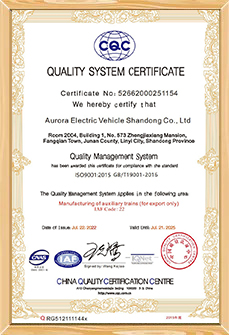
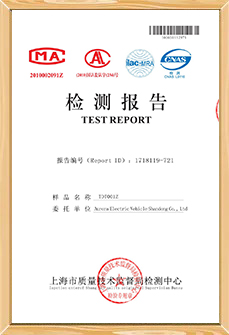
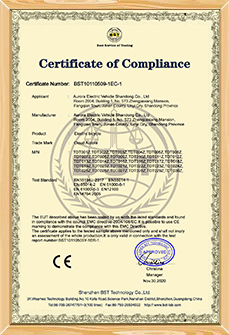
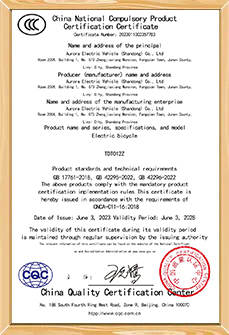
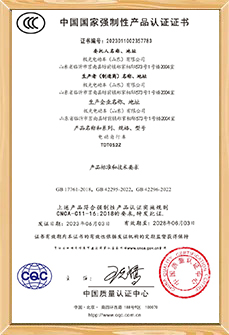
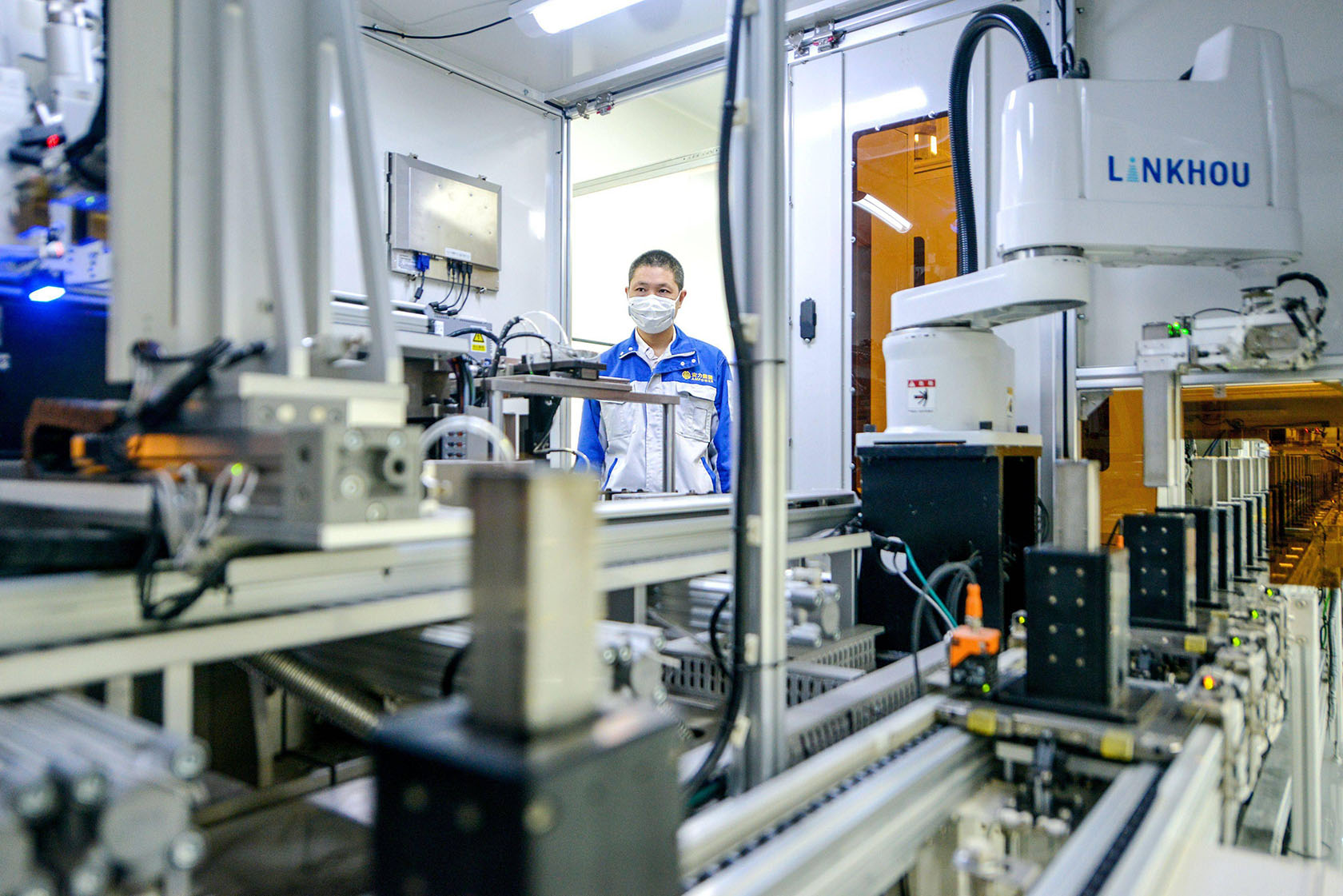
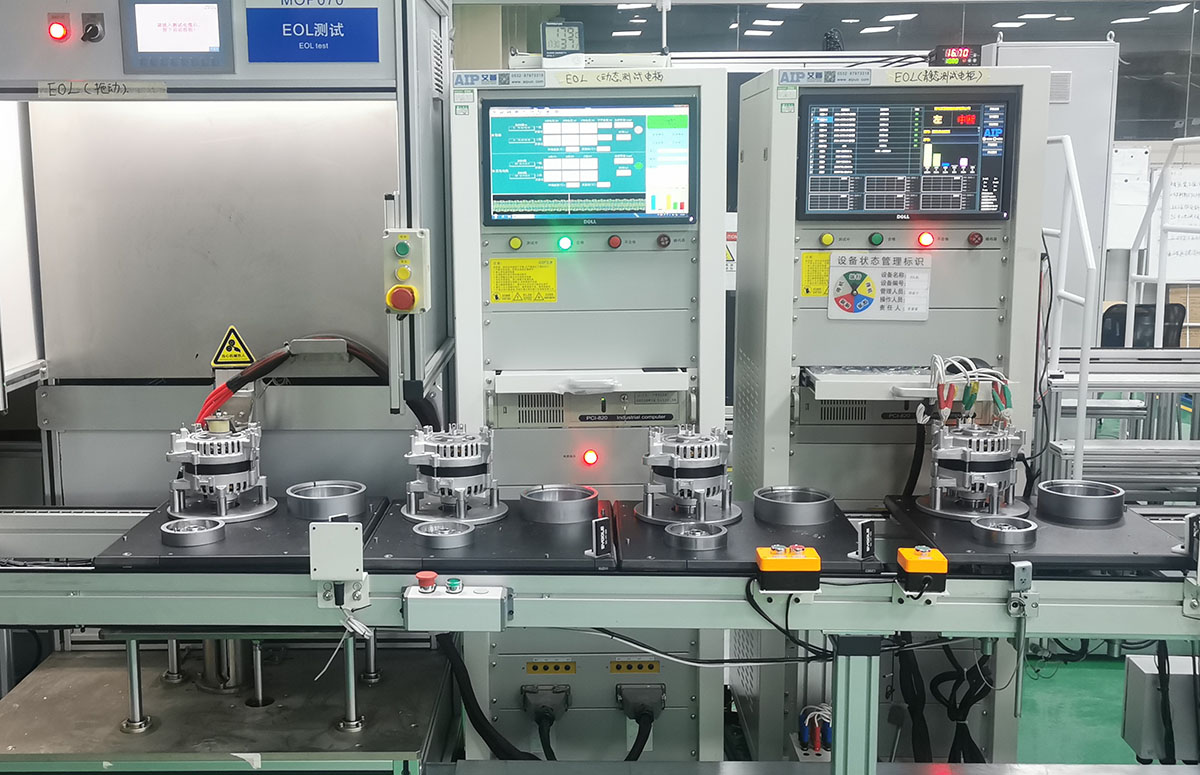
Our core culture values—"integrity, pragmatism, innovation, and mutual win"—shape all aspects of our business operations. Inspired by the industrious spirit of Linyi and our commitment to environmental responsibility, we aim to make urban transportation safer, cleaner, and more accessible worldwide.
We view vehicle safety as our primary priority. We invest significantly in our testing laboratories, running rigorous vibration, chassis fatigue, salt-spray corrosion, and electrical insulation tests on every vehicle batch. We strive for long-term collaborations with international distributors, fleet operators, and logistics buyers, providing stable product supply, reliable custom packaging, and comprehensive support services.
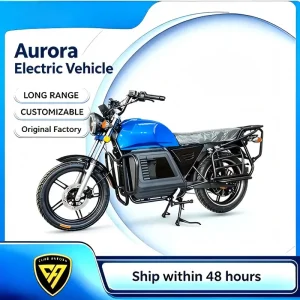
Discover how our electric micro-mobility solutions are deployed in various settings to improve logistics efficiency and daily commuting.
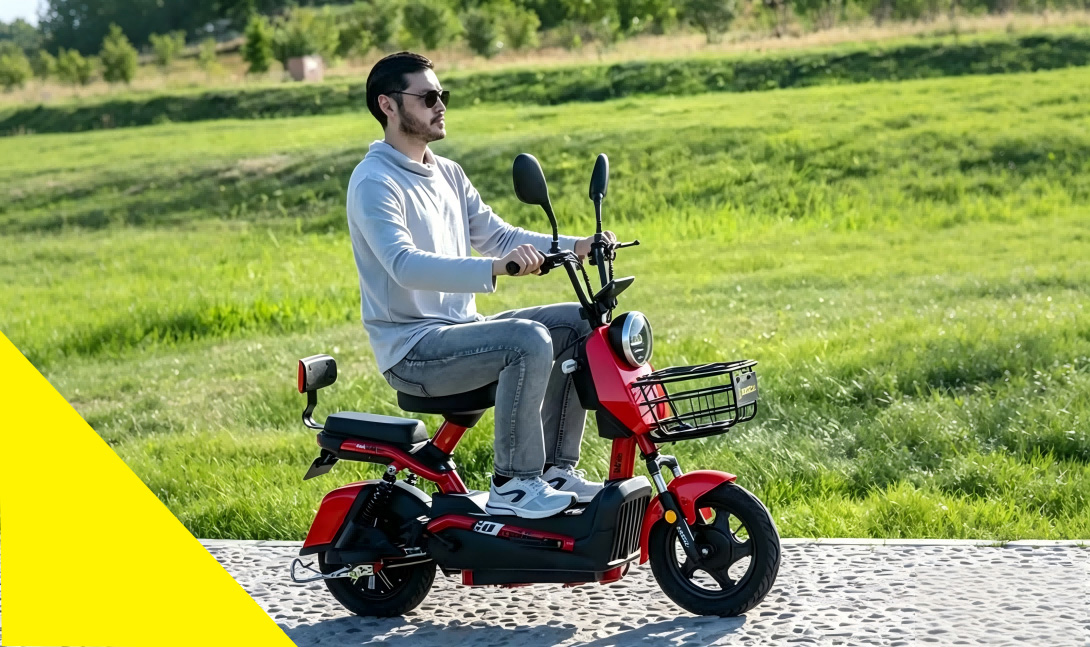
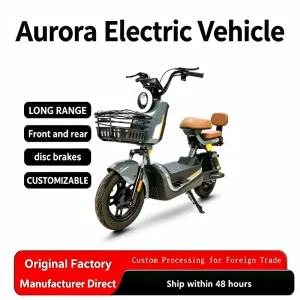
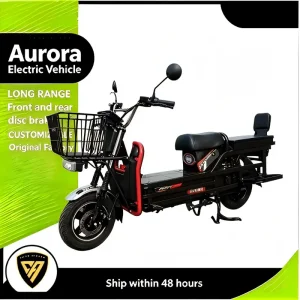
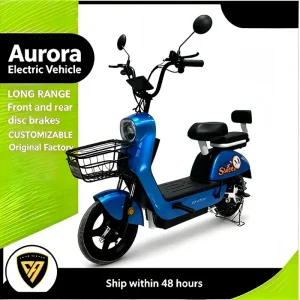
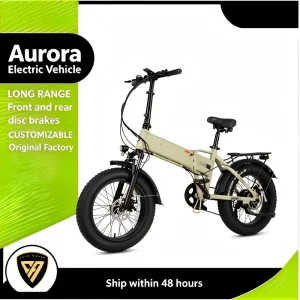
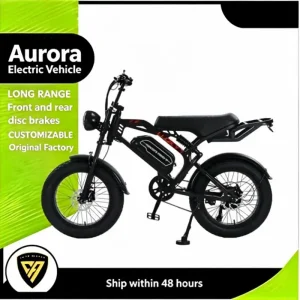
Designed for daily micro-mobility commutes and light payload transport. Featuring lightweight, ergonomic frames, optimized power output, and long-range battery packs, these vehicles bypass traffic congestion while keeping running costs low.
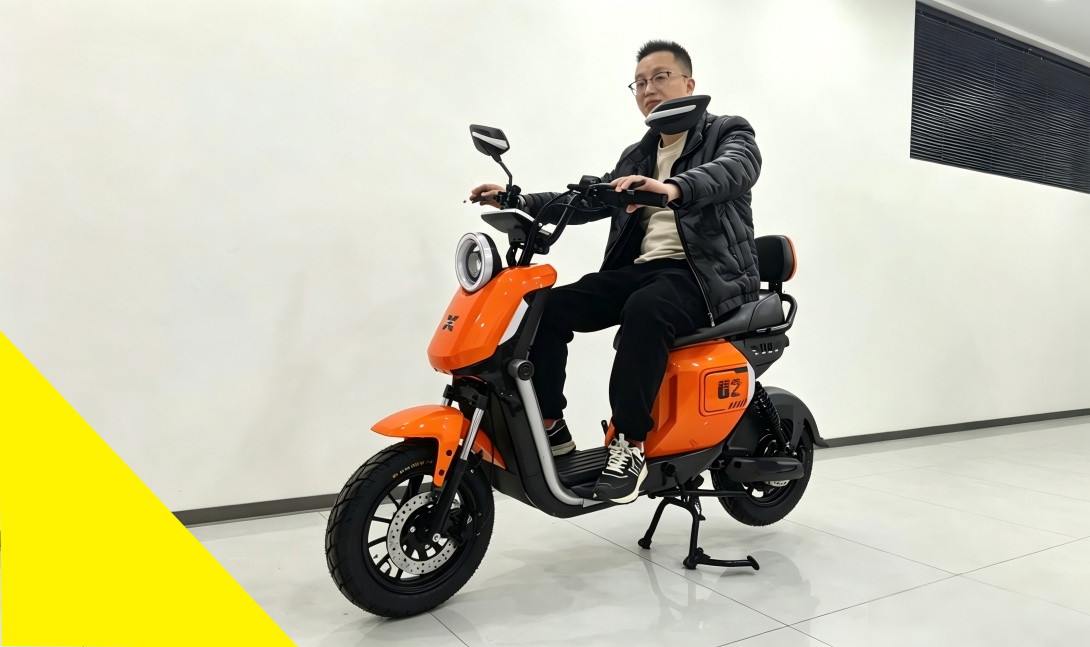
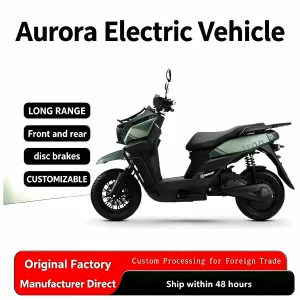
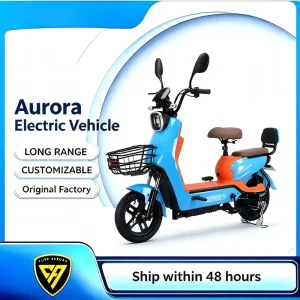
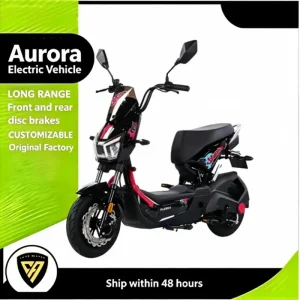
Featuring modern, streamlined aesthetics, comfortable seating arrangements, and reliable acceleration. Ideal for metropolitan fleet rentals, delivery operations, and local neighborhood errands.