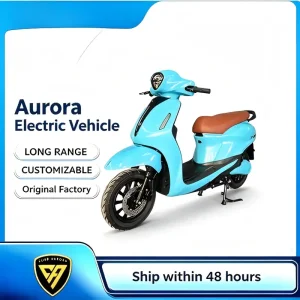
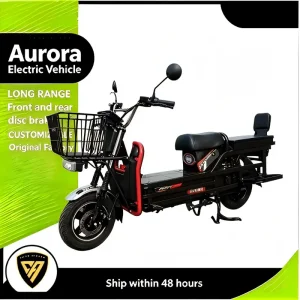
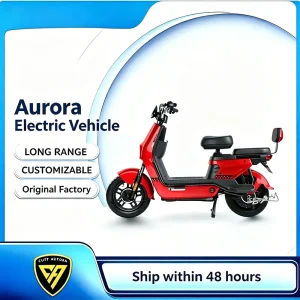
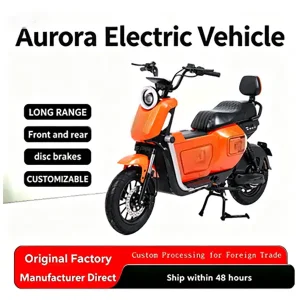
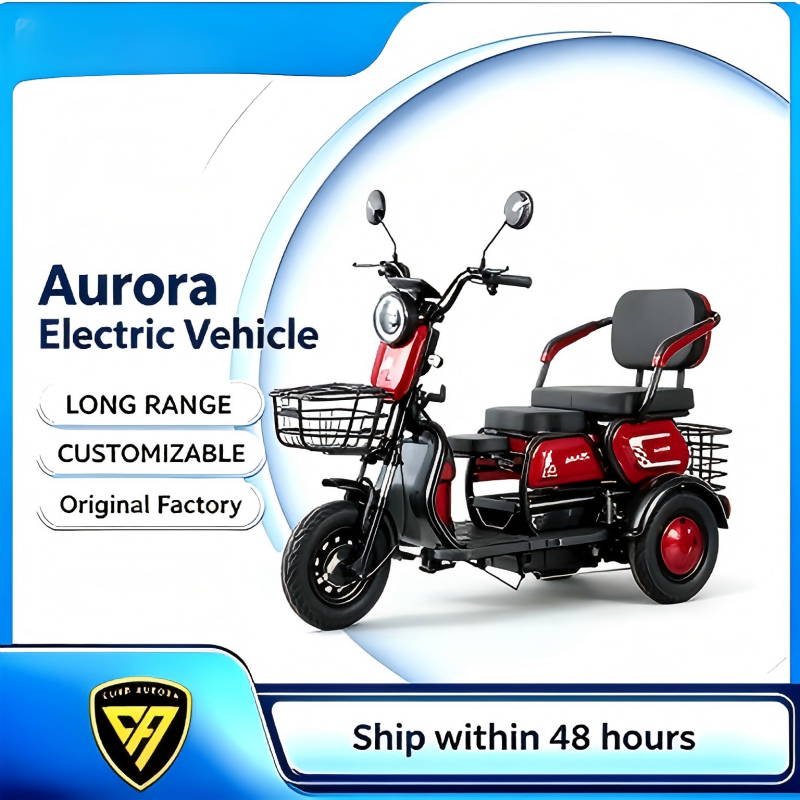
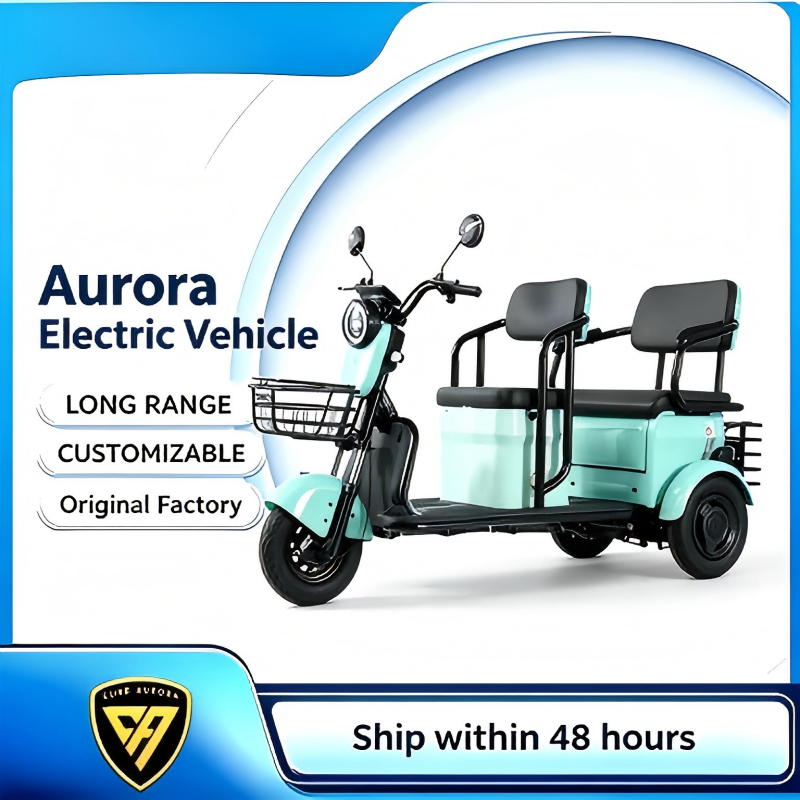
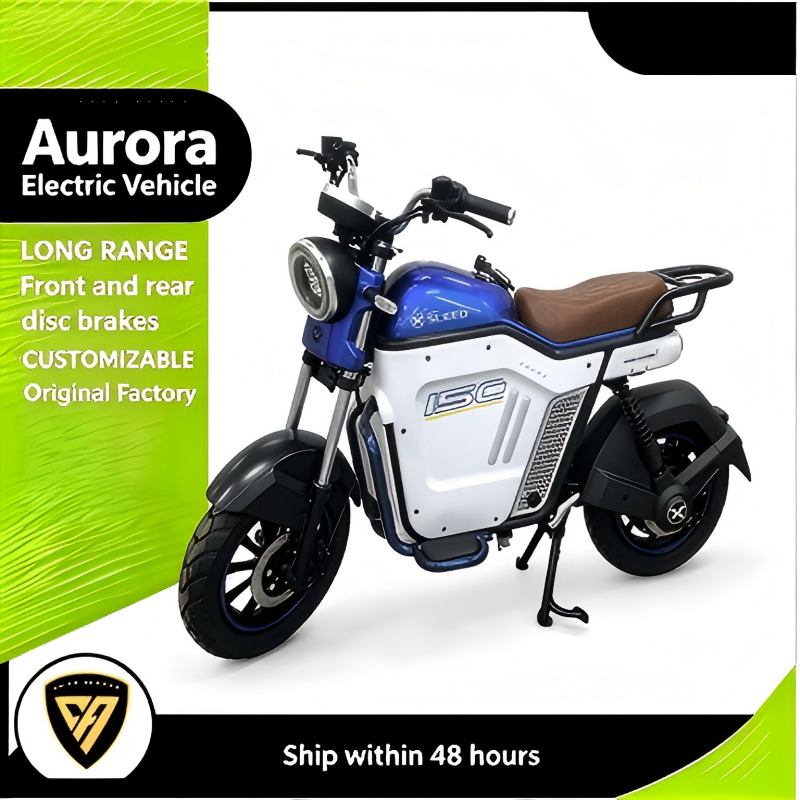
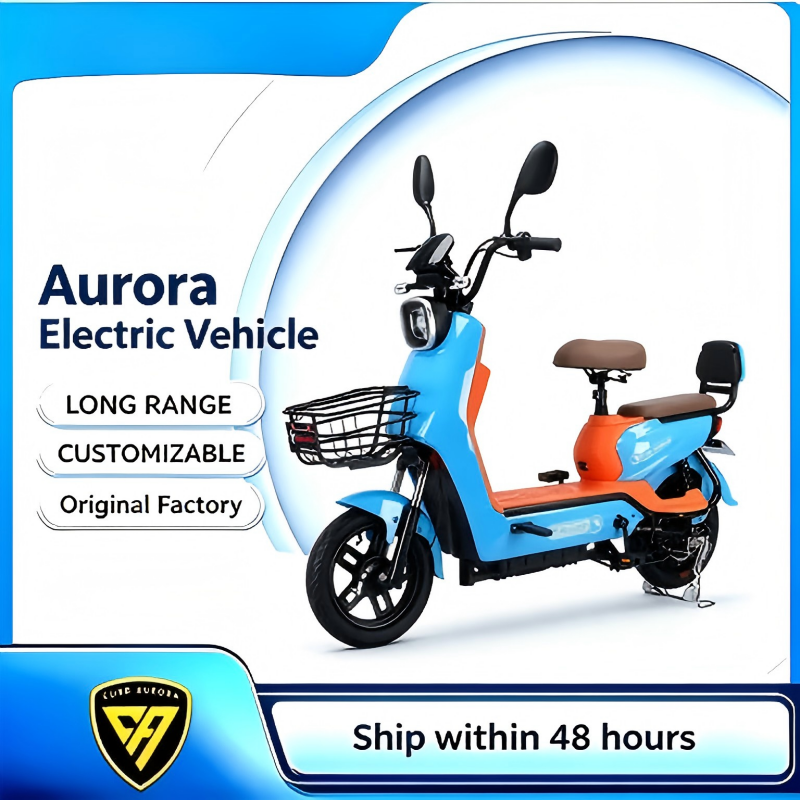
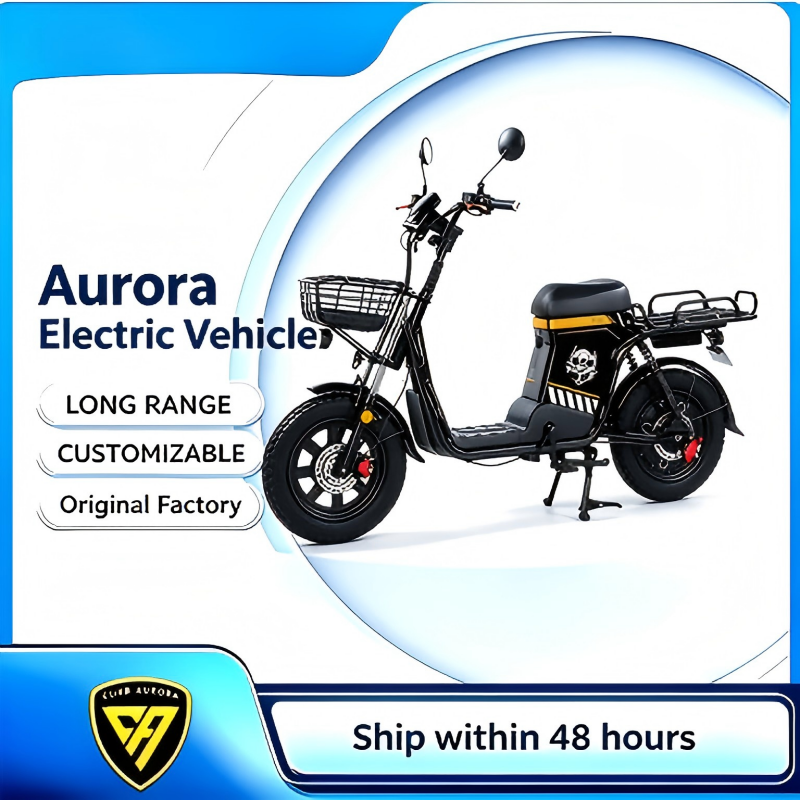
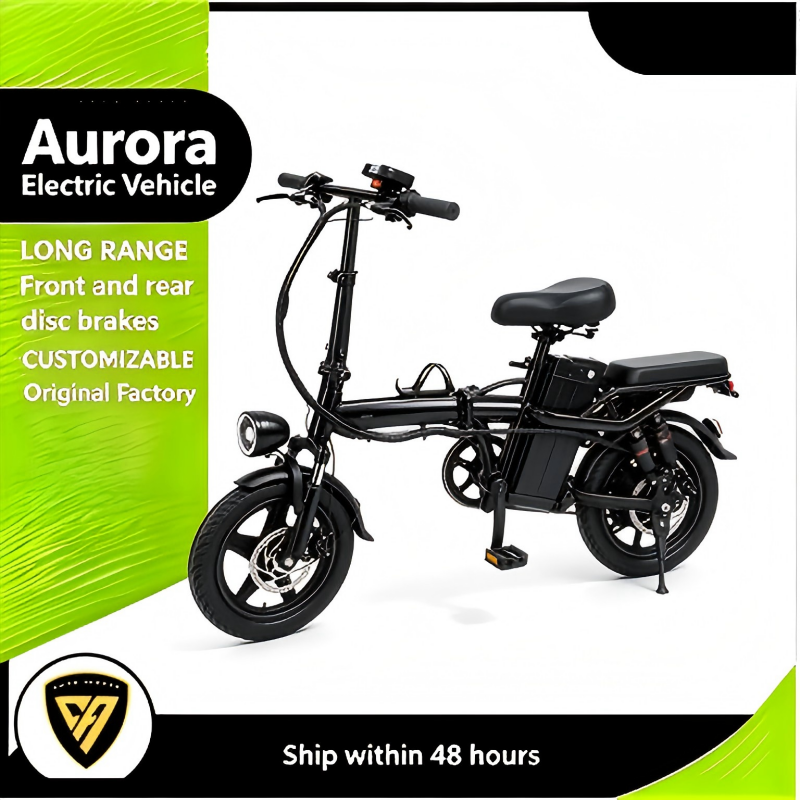
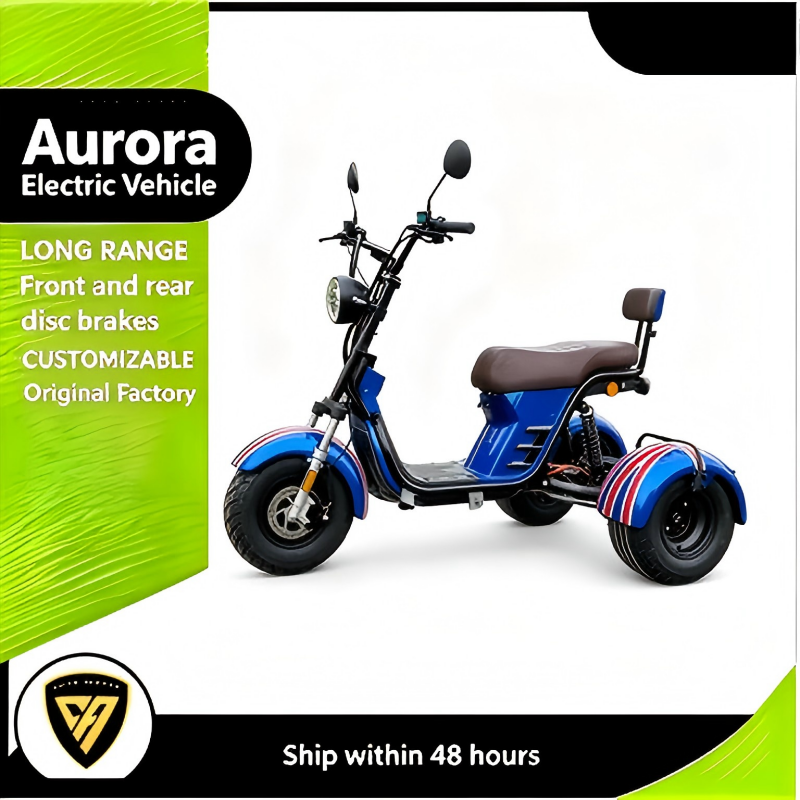
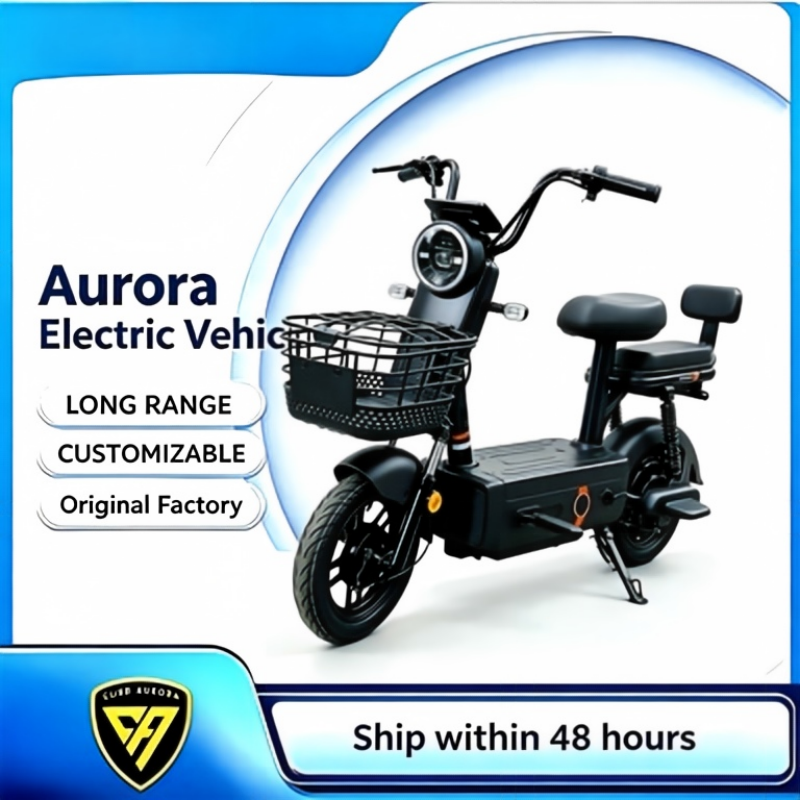
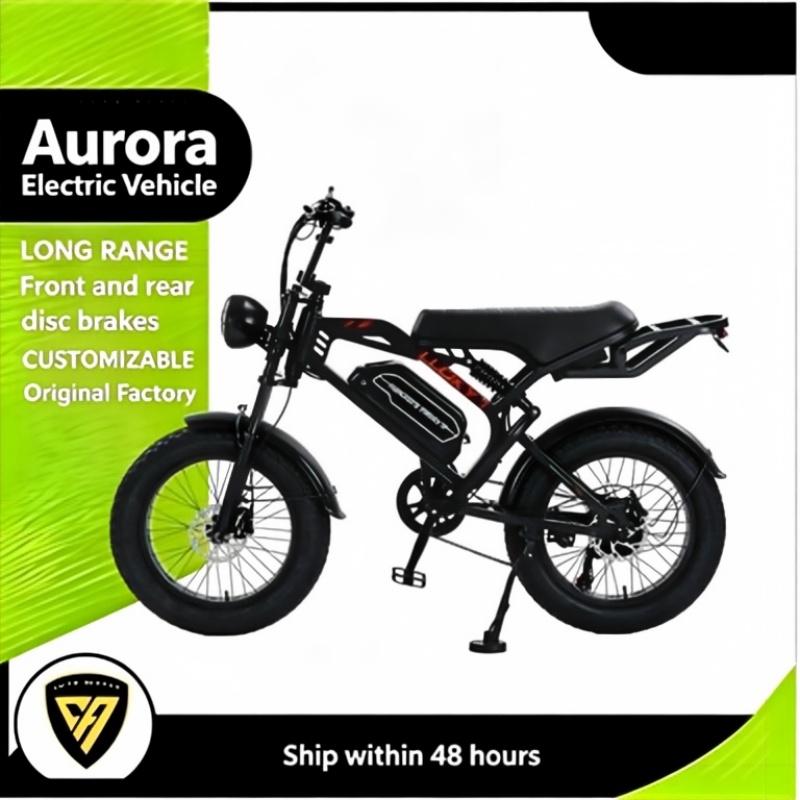
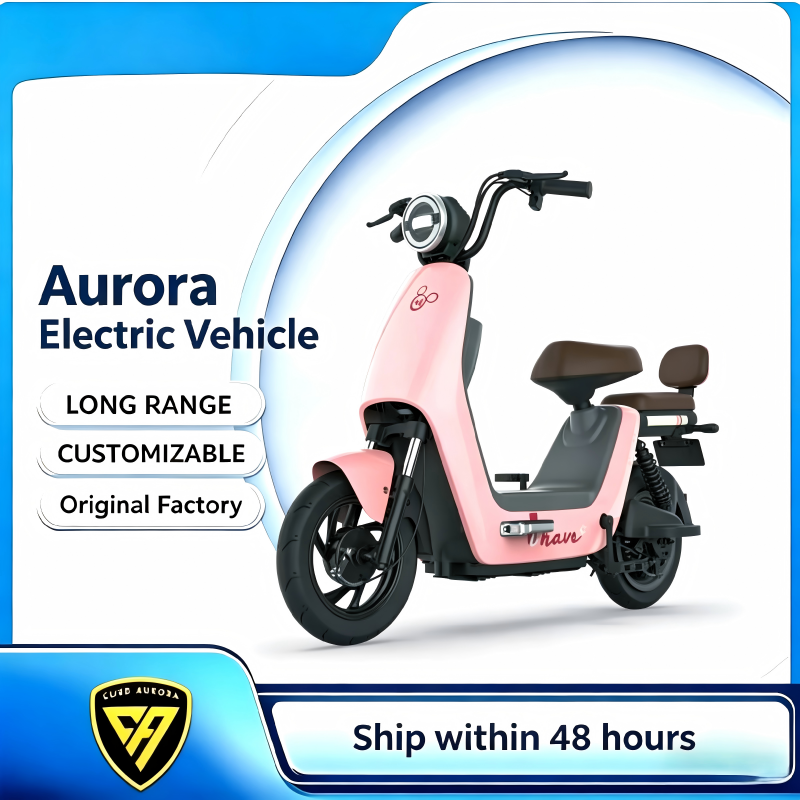
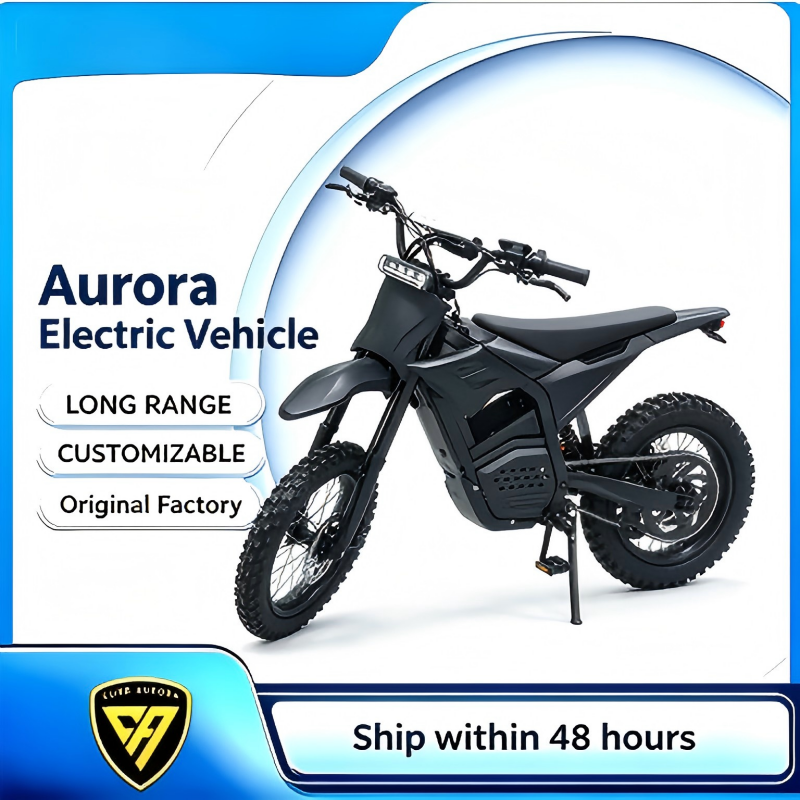
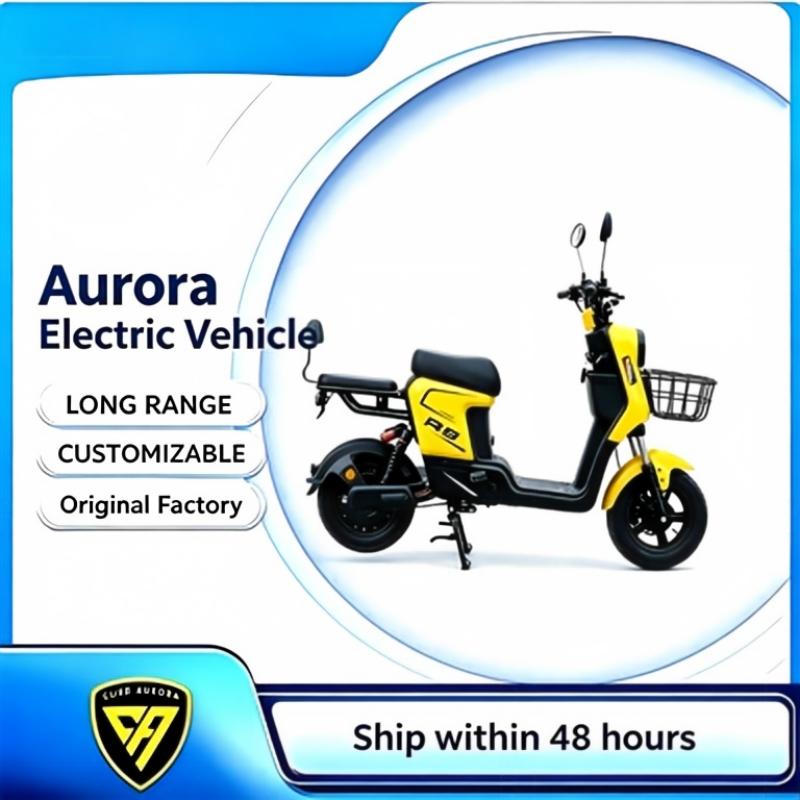
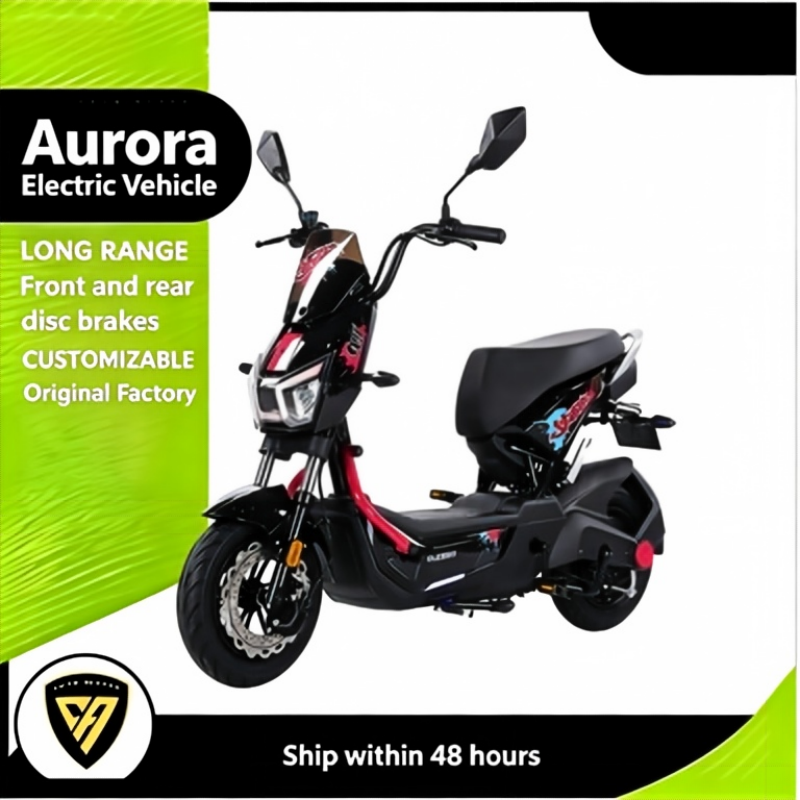
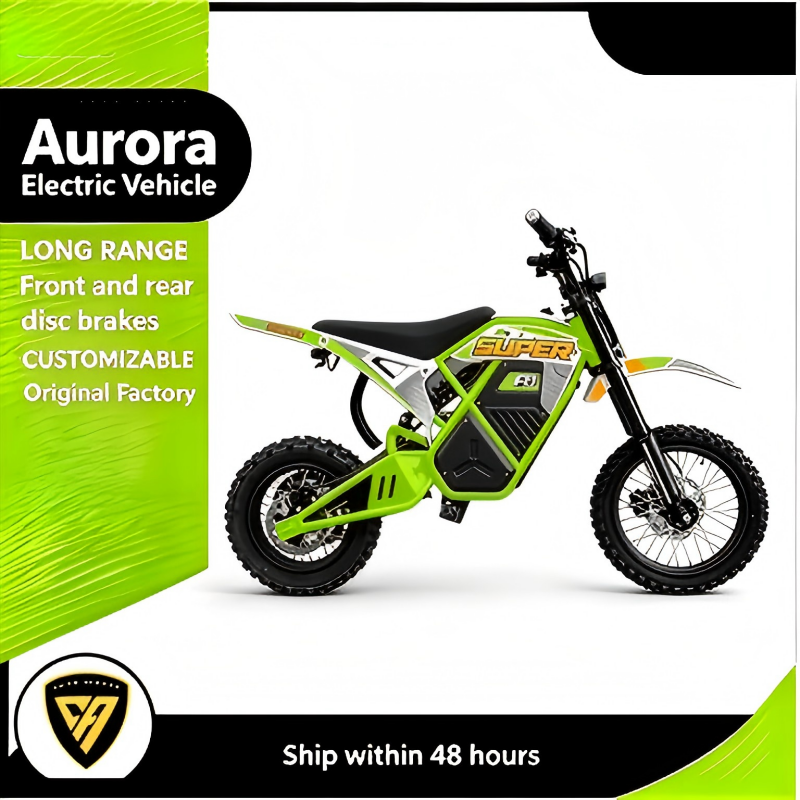
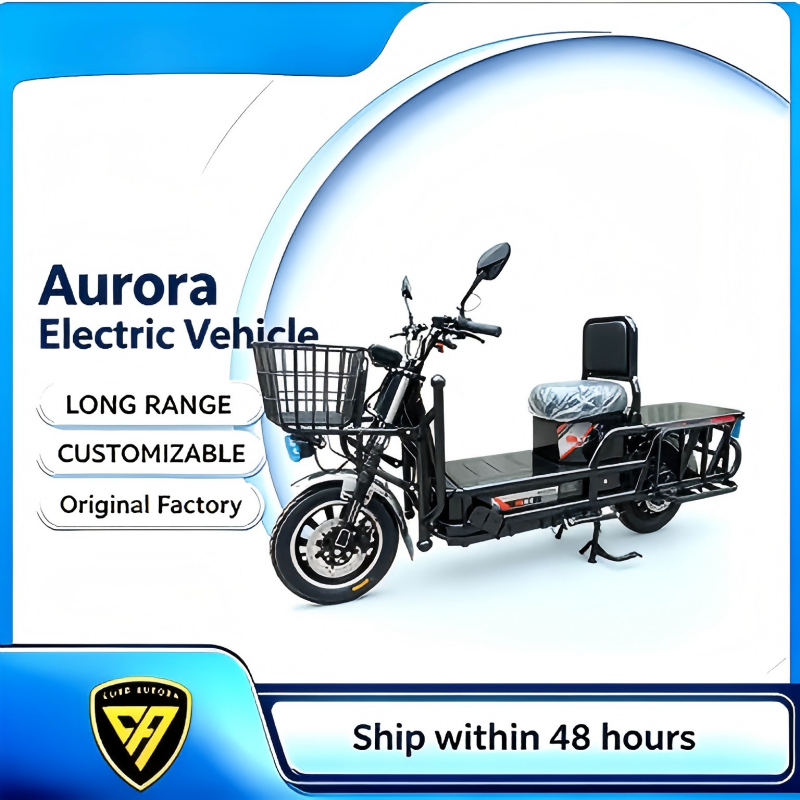
Optimized for Nigeria's environmental resilience, these initial tier-one models provide highly durable options for coastal resorts, metropolitan shuttle systems, and commercial cargo fleets.
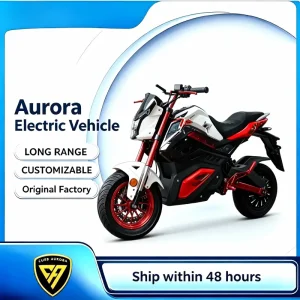
Nigeria is undergoing a structural energy transition. Following the deregulation of petrol subsidies, PMS (Premium Motor Spirit) prices have spiked across the country, creating an urgent financial need for businesses to move away from combustion engines. The Federal Government's Energy Transition Plan (ETP) heavily emphasizes clean energy integration across transport vectors to hit net-zero goals by 2060.
Within this context, tourism hubs, estate managers, private institutions, and logistical corporations in cities like Lagos, Abuja, Kano, and Port Harcourt are shifting focus toward zero-emission vehicle fleets. Deploying high-efficiency, LFP-powered electric shuttles, commuter trikes, and heavy-cargo logistics bikes dramatically mitigates monthly operational expenditure, bypassing volatile petroleum prices entirely.
100% immune to gasoline supply gaps and domestic price hikes.
No oil changes, no fuel filters, and fewer mechanical fail points.
Perfect for off-grid hybrid solar charging systems common in Nigeria.
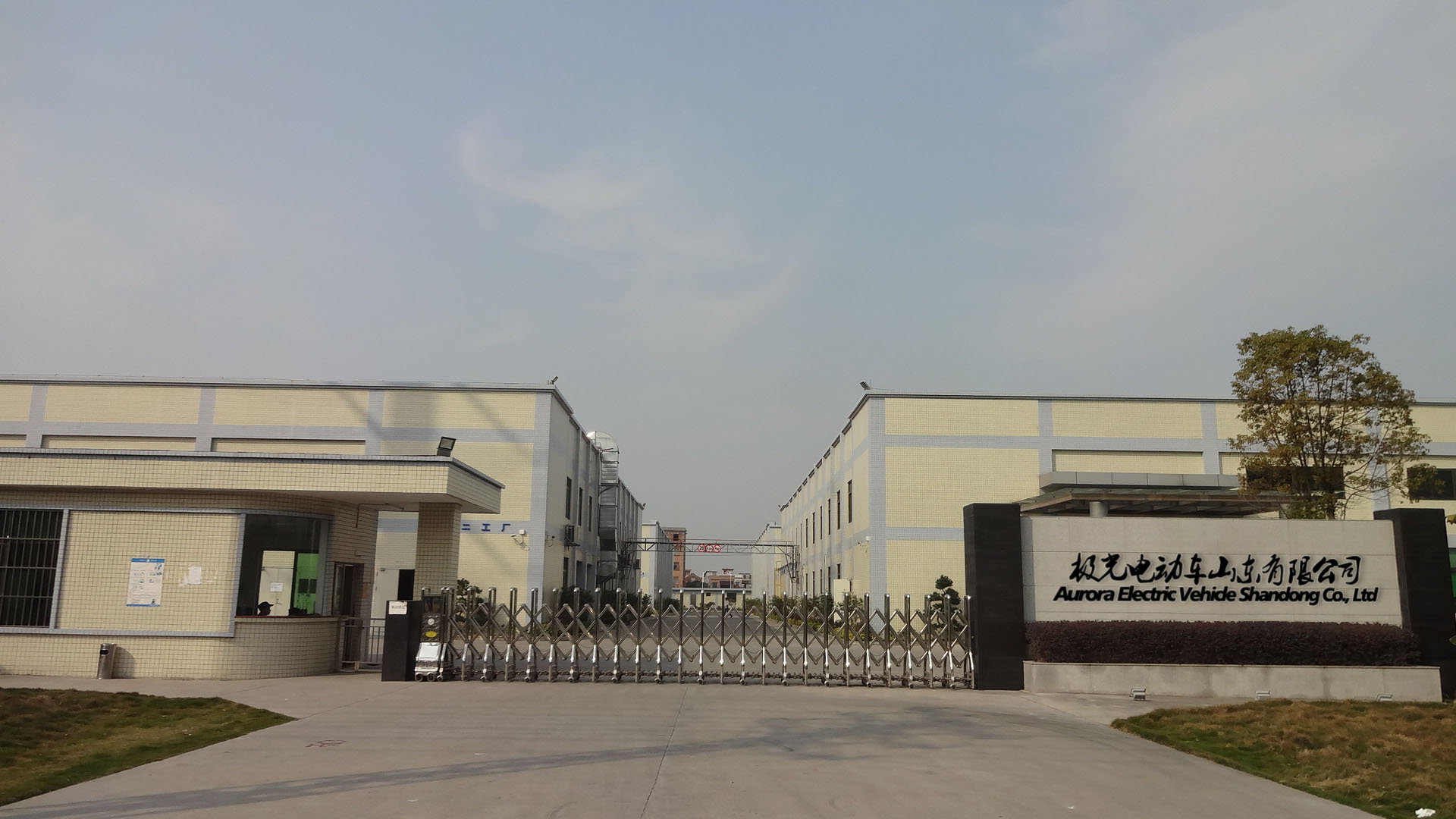
A statistical look at our global operations and structural advantages that guarantee premium quality and reliable delivery to West Africa.
A vehicle is only as good as its performance in local environments. We adapt our designs to survive and thrive on Nigerian terrain.
Nigerian roads require heavy-duty engineering. Urban and semi-urban paths frequently expose vehicles to rough topographies, unpaved surfaces, dust storms in the north, and severe humidity and seasonal floods in coastal cities like Lagos and Port Harcourt.
To address these conditions, our custom-engineered electric vehicles feature:
Strategic Chinese manufacturing partner offering premium quality controls and efficient logistics from Linyi City to West Africa.
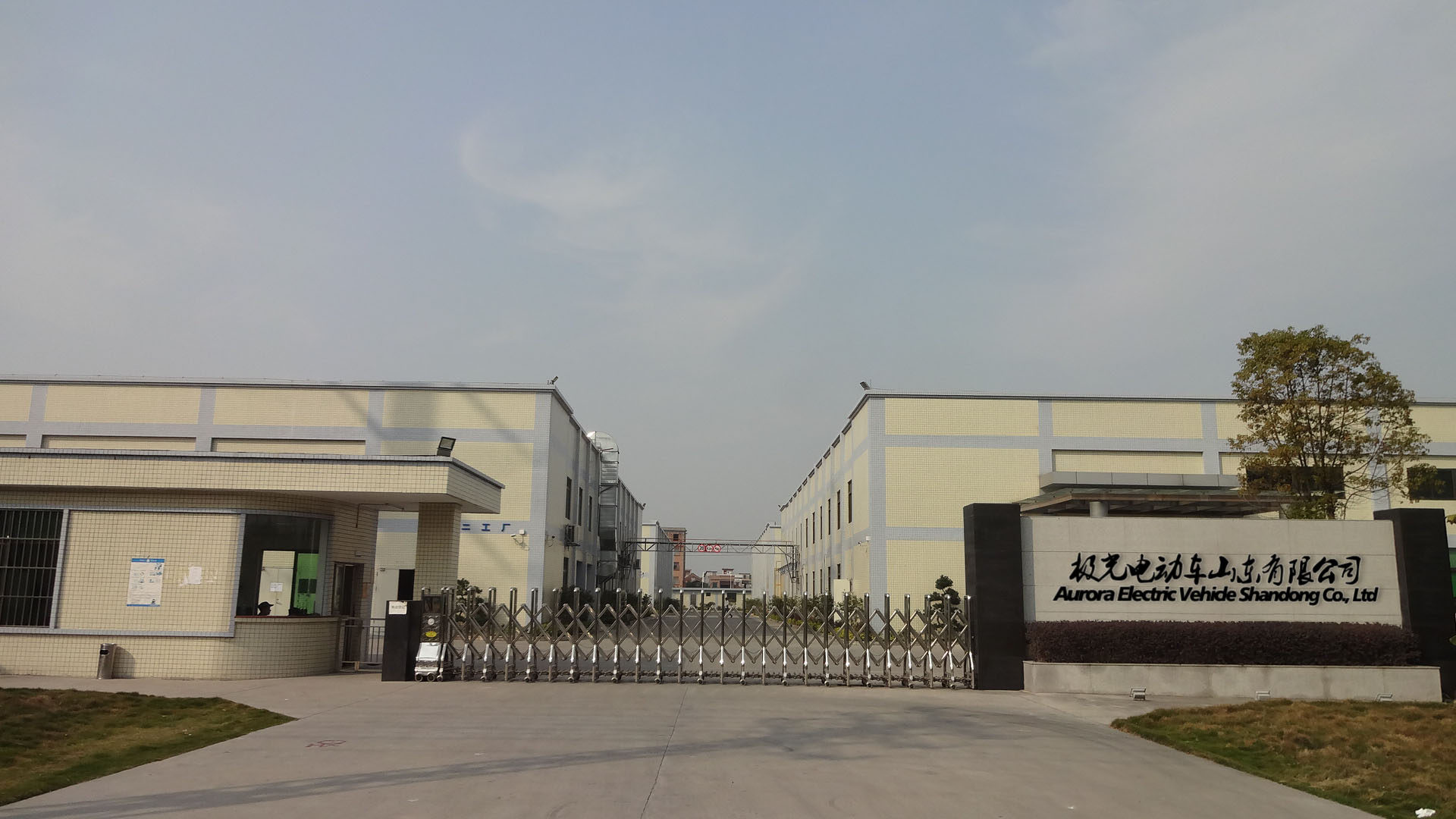
Founded in 2015, Aurora Electric Vehicle Shandong Co., Ltd. is a leading electric bicycle manufacturing enterprise situated in Linyi City, Shandong Province. As a strategic transportation hub connecting the Yangtze River Delta and the Bohai Economic Circle, Linyi offers prominent geographical and logistics advantages that directly benefit our international partners with streamlined shipping processes and reduced transit timelines.
As a professional manufacturer deeply rooted in the electric vehicle sector for over 10 years, we have grown from a specialized production facility to a comprehensive enterprise integrating R&D, mass production, sales, and dedicated after-sales support. We have actively contributed to the rapid development of China's high-end electric vehicle industry in the new national standard era, consistently meeting and exceeding international certification requirements.
Our history is built on continuous technical innovation and strategic adaptation. In 2019, with the implementation of strict new safety standards, we upgraded our production lines, implementing fire retardant insulation, integrated speed limiters, and anti-tampering protection on our electronic control units.
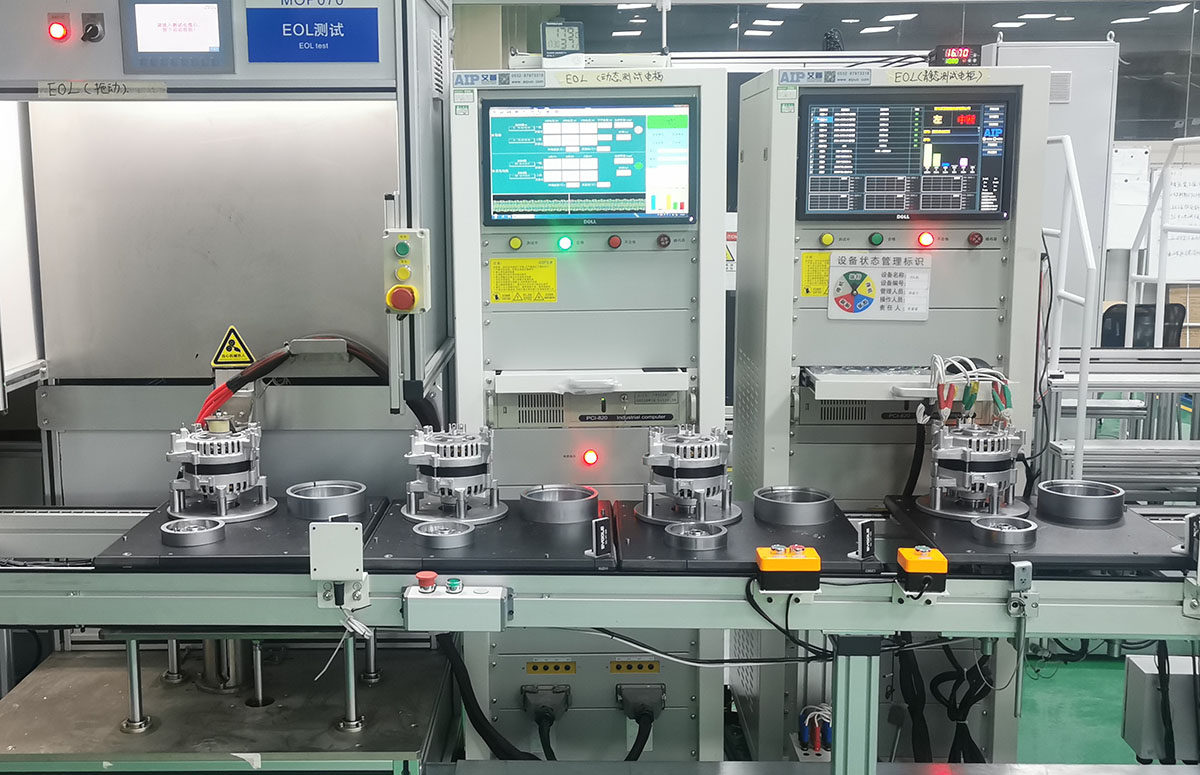
Today, our factory is equipped with intelligent digital production lines, automated frame welding, and robotic assembly, alongside professional testing laboratories to evaluate structural load capacity, water-resistance, and battery longevity. We ensure that every vehicle shipped to Lagos Port or Abuja is ready for intensive daily operations.
Composed of senior engineers with over a decade of EV experience. Focuses on battery longevity, smart power management systems (BMS), and enhanced off-road performance for harsh road conditions.
Skilled assembly professionals operating under strict ISO 9001 and CE quality guidelines. Conducts multi-point diagnostics on motors, wiring, and structural components prior to container loading.
Provides comprehensive OEM/ODM solutions. We assist buyers through the entire process, including container planning, customs clearing support, and providing essential spare parts packages.
Specialized in international cargo routing from Qingdao/Tianjin to Lagos (Apapa/Tin Can Island). We pack our vehicles in reinforced 5-layer imported kraft paper packaging to avoid shipping damage.
Discover our core catalog of highly reliable passenger electric bikes, high-speed scooters, and utility tricycles, optimized for Nigerian fleet deployment.
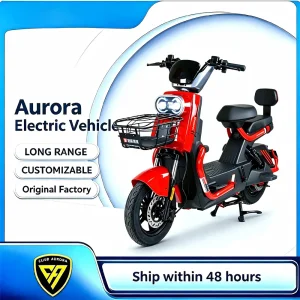
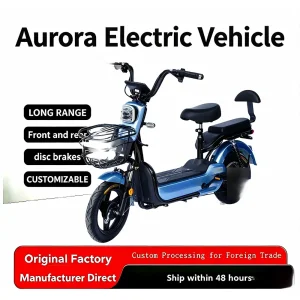
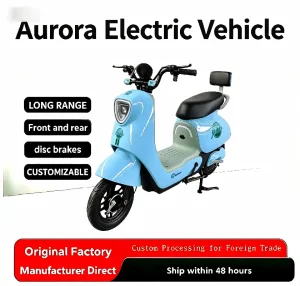
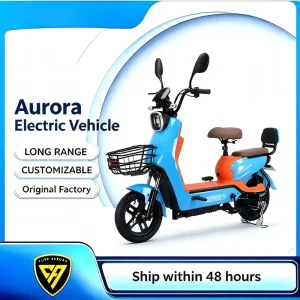
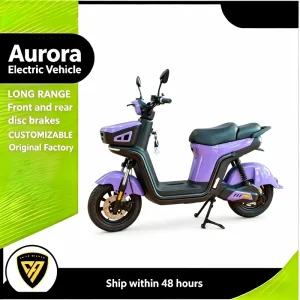
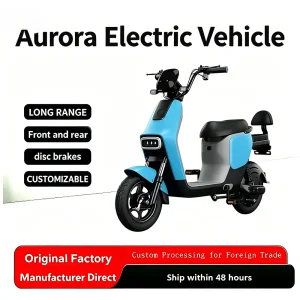
A data-driven projection comparing internal combustion engine (ICE) shuttle buses/tricycles with our high-capacity sightseeing electric fleets.
To assist Nigerian purchasing departments, resort procurement committees, and logistics directors, we have compiled an estimated operational cost comparison. By analyzing local fuel prices, grid electricity tariffs, solar integration offsets, and routine maintenance intervals, the long-term economic advantages of electric fleets become clear.
| Evaluation Parameter | Standard Petrol Tricycle (ICE) | Aurora Passenger Electric Fleet (EV) | Net Operational Savings / Advantage |
|---|---|---|---|
| Daily Energy / Fuel Cost | ₦15,000 - ₦22,000 (Based on current fuel prices) | ₦3,500 - ₦5,200 (Grid electricity or solar offset) | Up to 75% Reduction in daily fuel/power costs |
| Weekly Maintenance Tasks | Oil changes, filter swaps, spark plugs, belt tensioning | Basic brake inspection & tire inflation check | Zero engine maintenance; minimal downtime |
| Average Engine Lifespan | 15,000 - 25,000 km before major overhaul | 50,000+ km before battery capacity drops below 80% | Significantly higher asset lifespan and valuation |
| Carbon Emissions & Noise | High exhaust fumes & disruptive engine decibels | Zero direct emissions, completely silent operation | Ideal for premium resorts, nature parks, and universities |
*Note: Calculations are based on average operation in Lagos/Abuja and estimates of typical commercial duty cycles. Real-world returns will depend on localized charging configurations (e.g., hybrid solar installations).
Ensuring full coverage of industrial demands. Below are our heavy-duty delivery vehicles, sporty commuter bikes, and specialized multi-passenger configurations.
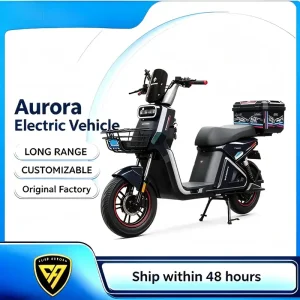
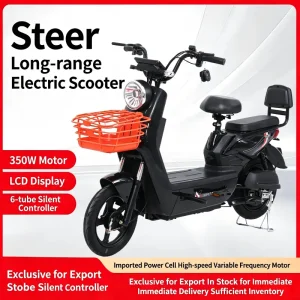
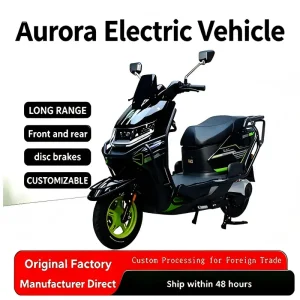
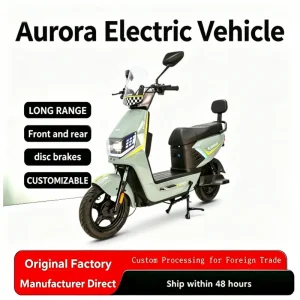
See how our vehicles are currently deployed across several key sectors in West Africa.
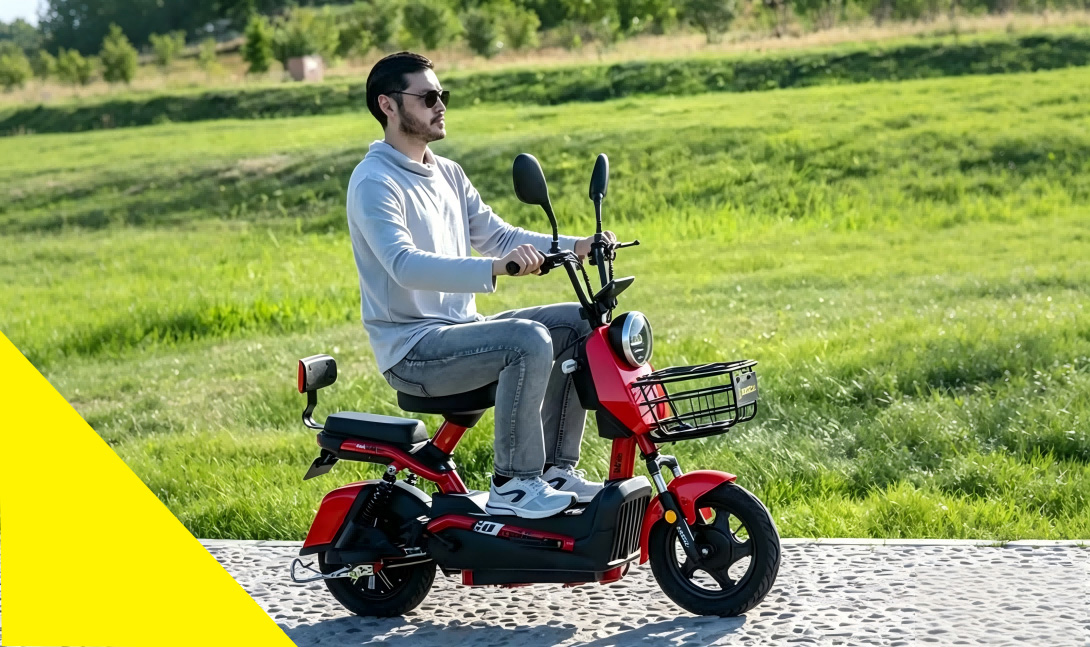
Deployed for security patrols and tenant convenience within luxury developments in Lekki, Ikoyi, and Victoria Island, reducing reliance on combustion vehicles.
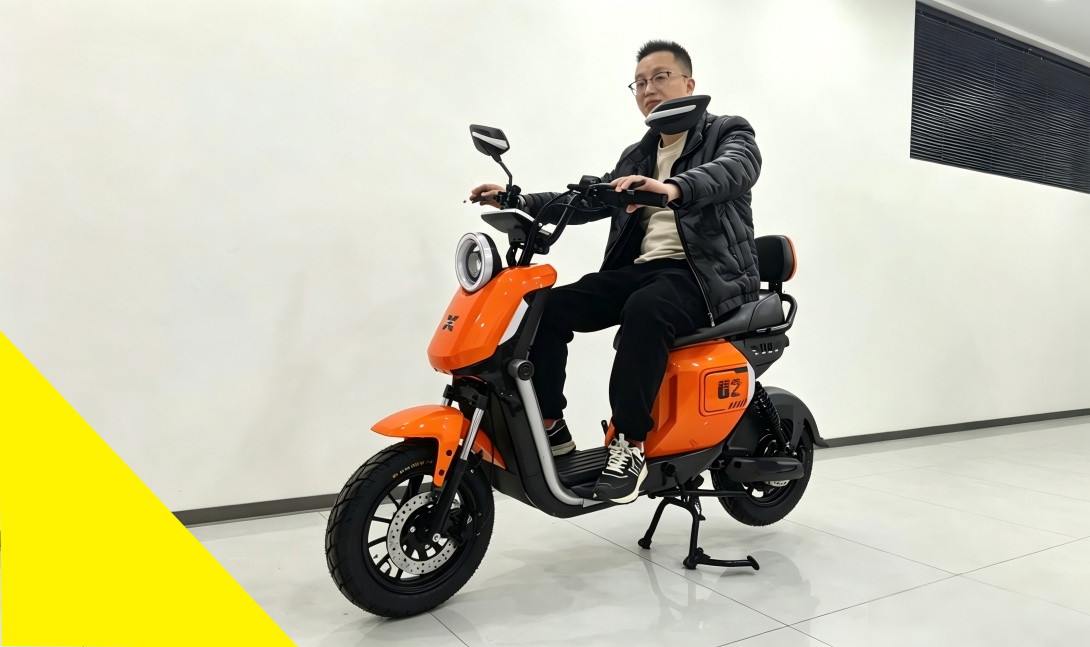
Serving corporate commuters and local e-commerce delivery agencies in the Federal Capital Territory, improving delivery speed while lowering operating overheads.
Important administrative guidelines for shipping and clearing industrial electric vehicles into Nigeria ports.
To successfully import electric vehicles and scooters into Nigeria, importers must adhere to the regulations enforced by the Standards Organisation of Nigeria (SON). Specifically, all shipments require the Standards Organisation of Nigeria Conformity Assessment Programme (SONCAP) certificate to clear customs smoothly.
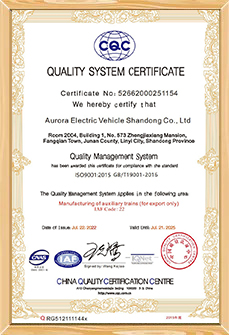
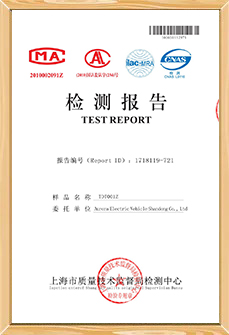
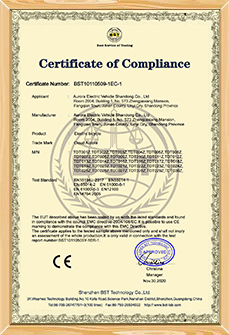
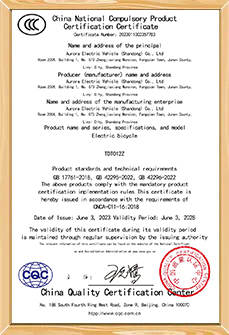
As an exporter with over ten years of international trading experience, Aurora Electric Vehicle Shandong Co., Ltd. coordinates closely with global conformity assessment organizations (such as SGS, Intertek, and Cotecna) to obtain necessary approvals:
Verify our global manufacturing qualifications, ensuring all regulatory benchmarks are met.
Detailed technical advice for importing and operating electric vehicle fleets in Nigeria.
Unstable grid power is a key operational factor in Nigeria. Most commercial operators integrate solar hybrid systems at their depots. Our vehicles support wide-voltage smart chargers compatible with clean solar output, allowing charging during daytime solar peaks or off-peak hours via diesel backup generators. We also offer battery customization to handle input voltage spikes.
We ship FOB from Qingdao or Tianjin ports directly to Apapa or Tin Can Island in Lagos. Production lead time is typically 20 to 30 days depending on customizations, while ocean transit to West Africa takes approximately 35 to 45 days. We recommend bulk orders in 40HQ containers to minimize freight costs per unit.
For fleet orders, we supply a customized spare parts package (including tires, brake assemblies, controller modules, and suspension bushings). We also provide digital wiring schematics and video tutorials for local technical teams. Our motors and batteries are designed modularly to allow for quick servicing and minimized down-time.
We use Lithium Iron Phosphate (LiFePO4) battery chemistry. Compared to standard ternary lithium, LFP cells offer superior thermal stability, keeping temperatures within safe margins and preventing runaways even during 40°C heat waves. Additionally, LFP batteries deliver over 2,000 charge-discharge cycles before capacity drops, offering a long operational lifespan.
Low-speed sightseeing vehicles and commuter e-bikes are generally classified as light quadricycles or non-motorized transport in most municipalities, meaning they do not require standard heavy driver licensing. However, local regulations can vary. We recommend verifying specific registration policies with the Federal Road Safety Corps (FRSC) and state agencies (like Lagos State MVAA).